
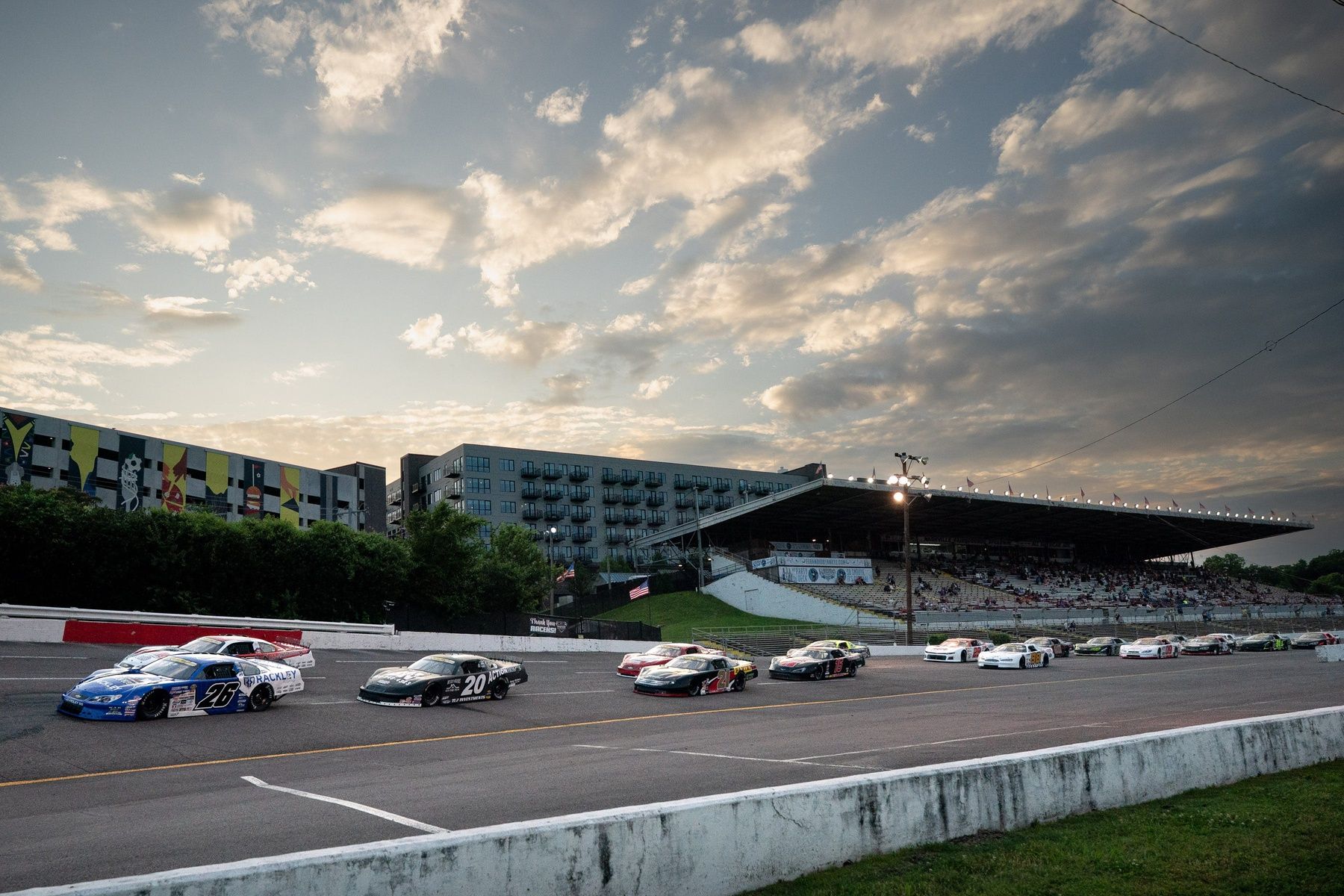
There is a fresh twist in the ongoing battle over the future of the historic Nashville Fairgrounds Speedway, as for months, the track has been at the center of debate in Nashville. This week, that debate moved into the courtroom, with supporters pushing to preserve racing and critics pushing for a different vision for the property.

Speedway Matters to NASCAR and Nashville
A lawsuit filed by former racer Neil Chaffin is challenging an effort to effectively ban motorsports at the Fairgrounds on the November ballot. The proposed amendment would revise language tied to a 2011 referendum that protects racing at the site. Instead of prioritizing auto racing, the new language would replace the focus with affordable and workforce housing.
Supporters of the speedway believe that the move is a direct attempt to remove racing from a property that has hosted it for more than a century, and as the legal process begins, the fight around the speedway is becoming one of the biggest local issues tied to motorsports and development in the region.
For longtime fans, the Nashville Fairgrounds Speedway is not just a race track but is a place that has deep roots in American stock car racing and has long been connected to the broader world of NASCAR Cup Series competition.
From 1958 through 1984, the speedway hosted Cup Series races and played a role in the growth of NASCAR during its early expansion years, and even after the national series moved elsewhere, racing never left the track, as weekly events and regional series kept the track running.
In recent years, there has also been a push to modernize the facility, as Speedway Motorsports has been working on a plan to renovate the speedway and potentially bring NASCAR national touring events back to the site, and that proposal would require a long-term partnership with the City of Nashville, along with infrastructure improvements that many believe the track needs.
Right now, racing operations are handled by Track Enterprises under the leadership of president Bob Sargent, and the schedule still includes local racing and touring events, and the popular CARS Tour is expected to debut there later this year.
The track’s current charter allows up to 10 major events annually while requiring strict adherence to curfews and noise rules designed to address concerns from nearby residents.
The Legal Fight Between Neil Chaffin and Voters
The current legal fight revolves around the argument that the ballot petition contains clerical errors and language that could mislead voters.
Chaffin’s lawsuit targets individuals involved with the anti-racing effort, including former Metro legal director Saul Solomon and political strategist Mike Kopp, and the suit claims that the proposal talks about activities tied to the Tennessee State Fair, even though that event no longer takes place in Davidson County.
The Tennessee State Fair moved to Lebanon in Wilson County in 2021 after changes in state law, while Nashville now hosts a separate event called ‘The Nashville Fair.’ According to the lawsuit, the language in the petition instructs the Nashville Fair Board to continue overseeing something that is no longer under its authority.
The legal challenge argues that the proposal is confusing and should not move forward, “The Nashville Fair Board, a Davidson County body, has no authority to ban any activity in Wilson on the premises of the Tennessee State Fairgrounds, located in Wilson County, Tennessee…. Because of these deficiencies, the Petition in its current form is impermissibly confusing.”
If the ballot effort survives the legal challenge, organizers would still need to gather roughly 50,000 signatures from Davidson County voters to appear on the November ballot.
Another effort is taking place at the state level, as Tennessee representative Jake McCalmon recently introduced House Bill 1660 to protect racetracks from legal action based solely on noise complaints if the track existed before surrounding development.
For now, the future of the Nashville Fairgrounds Speedway remains uncertain, and this issue has now turned into a broader debate about history and development in the area.
