
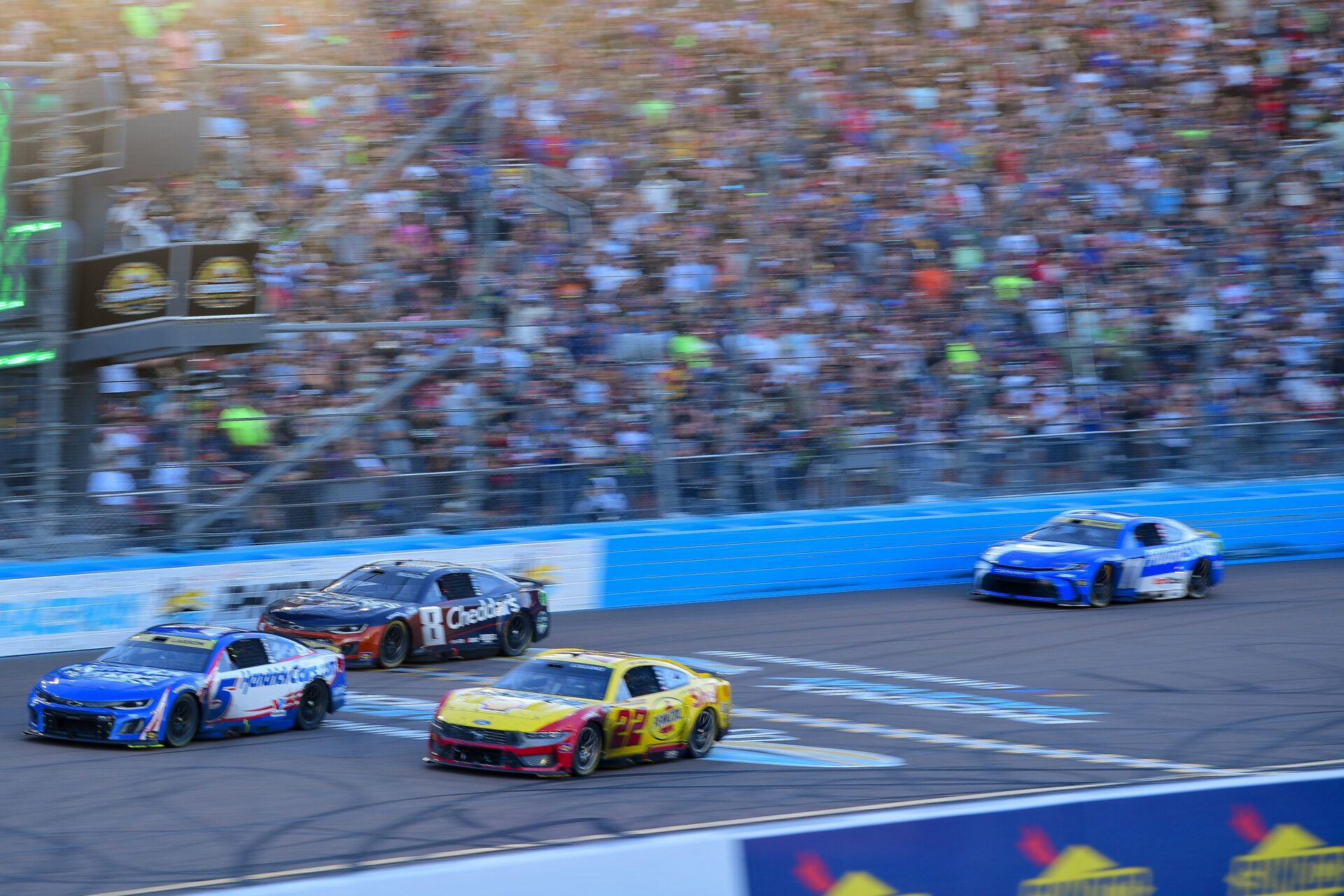
After the championship reset, NASCAR dropped a handful of rulebook changes Friday that might seem like minor adjustments on the surface. But look closer, and you’ll see something bigger happening. The sport is making a choice, and that choice is growth.
Why NASCAR’s Recent Rulebook Tweak Signals More Than Routine Housekeeping
The changes affect all three national series, from the Cup Series down to Trucks. While each update addresses a different concern, they all send the same message: NASCAR is listening to its teams, embracing new manufacturers, and creating more opportunities for young drivers.
Start with the Cup Series fix that was long overdue. Last season, we saw damaged cars rejoin the race after garage repairs just to snag the fastest lap bonus point. NASCAR shut that down.
Now, once a car goes to the garage, it’s ineligible for the bonus. The fastest lap shouldn’t go to a car running alone with fresh tires while everyone else is still battling. This move keeps the competition honest. When that point gets awarded, it actually means something.
The lug nut penalty change is another positive step. Teams felt the old rules were too severe, and this time, NASCAR listened.
Under the previous system, a single missing lug nut in Xfinity came with a $5,000 fine, while repeat offenses could lead to crew chief suspensions. Teams argued the punishment didn’t fit the crime — and they weren’t wrong.
The new system is way more reasonable. In both the O’Reilly Auto Parts Series and Trucks, you need at least two missing lug nuts before penalties kick in.
Nineteen out of twenty secure? You lose the pit selection next race. Eighteen secure? That’s a fine and a one-race suspension. Four or more missing? You’re disqualified.
It’s a middle ground that prioritizes safety while acknowledging that humans make mistakes. NASCAR didn’t cave completely, but they adjusted. That’s smart management.
Here’s where things get really interesting. NASCAR is adding up to four provisional spots in the first three Truck Series races specifically for Ram entries.
Ram is coming back to NASCAR, and the sanctioning body wants to make sure they actually get on track.
If Ram trucks fail to qualify on speed at Daytona, EchoPark Speedway, or the St. Petersburg street race, they’ll still start at the back of the field. The maximum field size could hit 40 trucks instead of the usual 36.
This is NASCAR putting its money where its mouth is about manufacturer diversity. They want Ram in the sport badly enough to guarantee them track time while they get up to speed.
It’s a temporary help that could pay long-term dividends if Ram becomes competitive.
Finally, NASCAR lowered the minimum age for O’Reilly Auto Parts Series competition on shorter tracks from 18 to 17. That puts it right between the Truck minimum of 16 and the Cup minimum of 18.
This change recognizes that talented teenagers can handle these cars safely on tracks 1.25 miles or shorter. It gives young drivers another year to develop before they’re old enough for the Cup Series, and it helps O’Reilly Auto Parts Series teams find fresh talent.
More importantly, it shows NASCAR understands that developing stars early matters. The fans want to watch future champions grow up in the sport, not show up fully formed from somewhere else.
What ties all of this together? NASCAR is finally picking progress over digging in its heels.
They’re fixing loopholes, listening to teams, attracting manufacturers, and creating opportunities for younger drivers. No single change is a game-changer by itself, but together they show a sport planning ahead and willing to evolve.
That’s the bigger picture. NASCAR is moving forward.
