
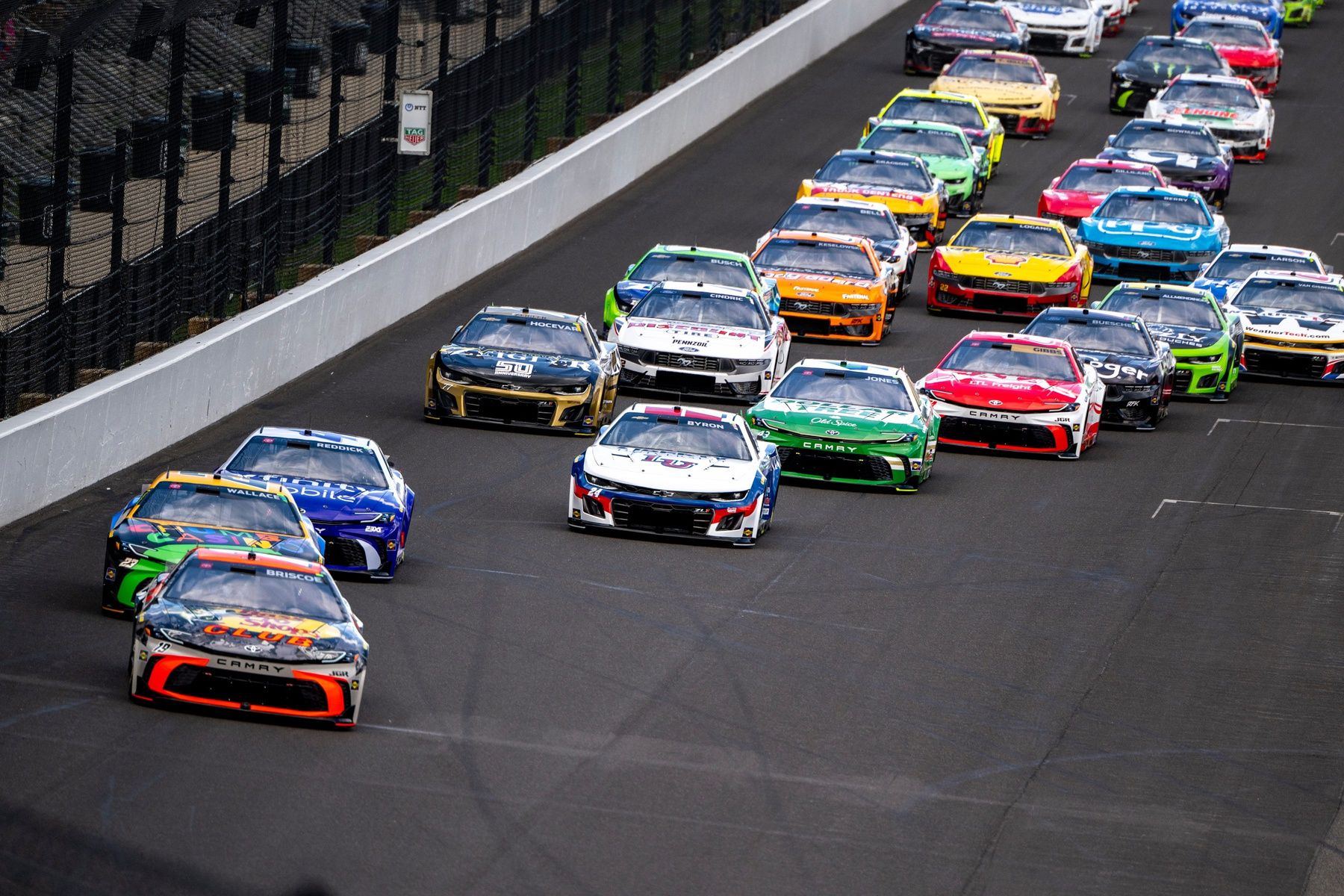
The NASCAR Cup Series stands at a crossroads, with mounting criticism surrounding the NextGen cars that once promised to revolutionize racing. What began as innovation has become frustration, with drivers, fans, and industry insiders united in one demand: more power.
The question isn’t whether change is needed anymore, but whether NASCAR will act decisively enough to save the sport’s entertainment value.
Will NASCAR Finally Increase Horsepower for the 2026 Season?
The current power units running in the Cup Series pack enough punch to generate up to 800 horsepower, but NASCAR has spent years deliberately dialing that number down. Now sitting between 650 and 670 horsepower, the sport has achieved its technical goals while inadvertently creating a product that leaves everyone wanting more.
NASCAR VP of Competition Elton Sawyer recently addressed these growing concerns during an appearance on SiriusXM NASCAR Radio. His response offered hope wrapped in complexity.
“We’ve discussed many times about horsepower on the short tracks and that’s something that’s an ongoing discussion with our industry stakeholders, Toyota, Ford and Chevy, as well as our engine builder and our race teams,” Sawyer explained. The conversations are heading in a positive direction, but implementation won’t come quickly.
Sawyer confirmed that increasing horsepower at short tracks has become a priority for the 2026 season, saying they “feel like we’re having positive conversations; there’s still a lot that goes into that. Obviously, that’s a 2026 initiative to get that across the line.”
On @SiriusXMNASCAR, Elton Sawyer was asked about a potential power increase.
Per Sawyer, #NASCAR thinks a power increase is the right move, but wouldn’t happen until 2026, at the earliest. The current challenge is deciding which tracks would get the short track increase.
— Joseph Srigley (@joe_srigley) August 5, 2025
What Makes Track Classification So Complicated for NASCAR?
The challenge extends beyond simply cranking up the horsepower across the board. NASCAR faces the complex task of determining which tracks qualify for increased power, and the decision isn’t as straightforward as measuring track length.
Sawyer highlighted the nuanced nature of track classification, pointing to specific examples that blur traditional categories. “You look at a Loudon, and Loudon is a mile, but it races like a short track, so does it fall into that same bucket? We have to look at racetracks like that — Dover — it’s a mile racetrack, but speeds are up there.”
This technical complexity explains why NASCAR needs until 2026 to implement changes. Each track presents unique characteristics that affect how cars perform, meaning a one-size-fits-all approach could create new problems while trying to solve existing ones.
Why Are Dale Earnhardt Jr. and Denny Hamlin Speaking Out?
The Iowa Corn 350 Powered by Ethanol was a flashpoint for the sport’s current frustrations. While William Byron secured the victory, his fuel-saving masterclass highlighted what critics find problematic about today’s racing. Byron won despite not being the fastest car on track, underscoring the current formula’s limitations.
Denny Hamlin didn’t mince words following the Iowa weekend, using his platform to call for the sport to return to the drawing board and develop real solutions for these persistent issues. The quality of racing fell far short of ideal standards, prompting Hamlin to demand immediate action rather than continued patience.
Perhaps more significantly, Dale Earnhardt Jr. has shifted his position entirely. Once a vocal supporter of the NextGen cars, the NASCAR legend has changed his tune. During the latest episode of his podcast, Earnhardt Jr. criticized the modern-era cars, arguing they lack any developmental future.
This reversal from Earnhardt Jr. carries particular weight given his initial optimism about the NextGen platform. When one of the sport’s most respected voices abandons ship, it signals that the problems run deeper than temporary growing pains.
The convergence of criticism from drivers, team owners, and fans has created undeniable pressure for change. Sawyer’s acknowledgment of these concerns and his commitment to the 2026 timeline suggests NASCAR recognizes the urgency, even if immediate solutions remain elusive.
