
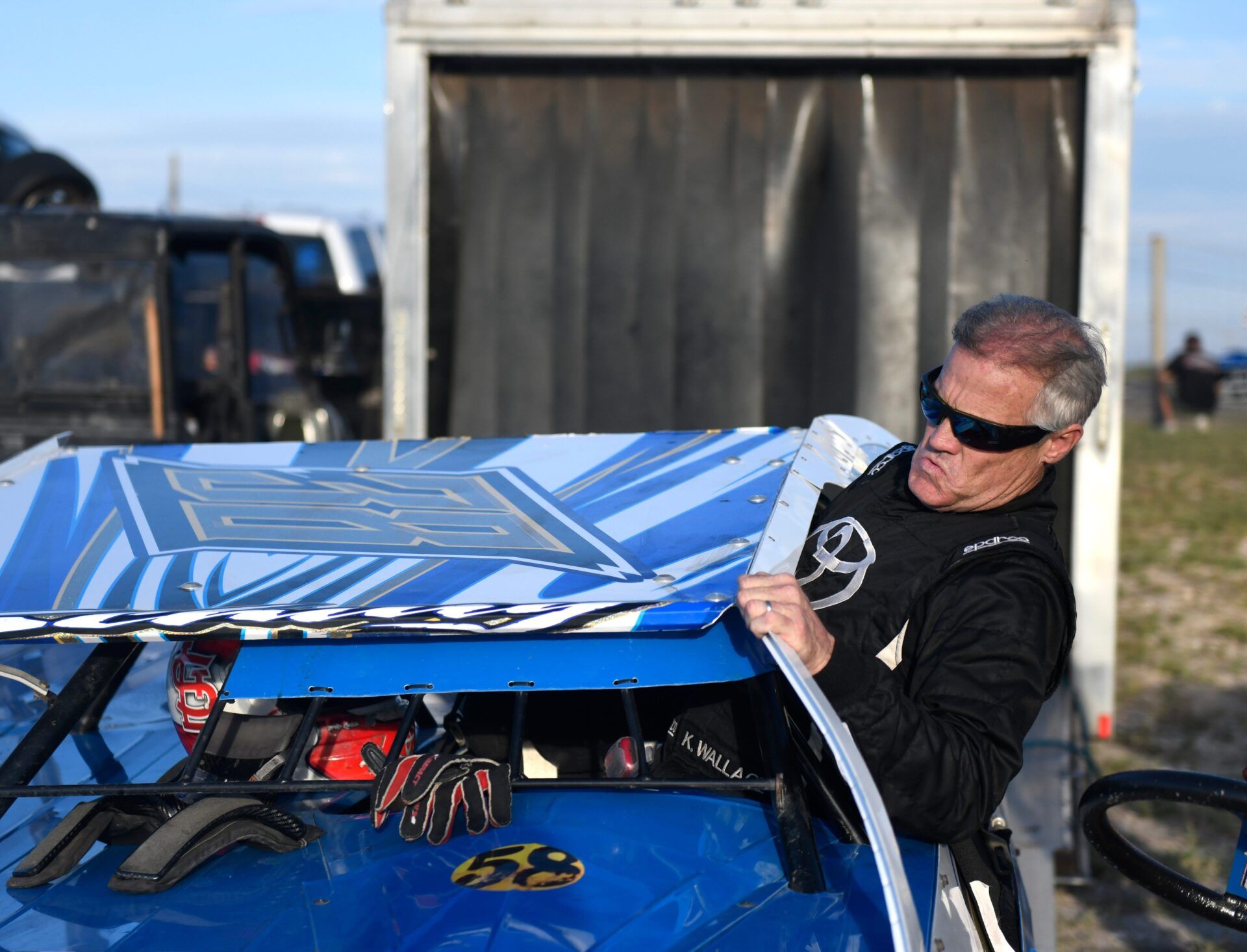
Criticism of the Daytona 500’s fuel-saving tactics didn’t sit well with Kenny Wallace, and he made sure fans knew it. The debate over fuel-saving at the Great American Race isn’t new, but this year, it once again ignited a social media firestorm. And Wallace wasn’t about to let the criticism go unanswered.
Kenny Wallace Responds to Fan Backlash Over Superspeedway Strategy
As fans and broadcasters questioned the amount of lifting and fuel conservation during the Daytona 500, Wallace pushed back on X with a pointed reminder.
“75% of the @NASCAR race fans ‘liked’ the #Daytona500. The other 25% are ALWAYS the loudest,” Wallace bluntly wrote.
Wallace’s message cut straight to the heart of the fuel-saving debate, maintaining that online criticism doesn’t always reflect the broader fan experience.
Throughout the race at Daytona International Speedway, drivers were seen lifting early in runs, riding in line, and managing their fuel numbers instead of charging flat-out every lap. For some viewers, especially those watching on television, extended single-file stretches created the perception that drivers weren’t racing aggressively enough.
SUBSCRIBE: The Side Draft, PFSN’s free NASCAR newsletter
But inside the garage, the strategy makes complete sense, especially in the Next Gen era.
Using less fuel during green-flag runs means teams need fewer pit stops. Less fuel also translates into shorter service times, sometimes shaving off critical tenths of a second.
In the modern NASCAR era, where the Next Gen cars are so evenly matched aerodynamically and mechanically, passing purely on speed is increasingly difficult. Track position is currency, and pit road execution is often the difference between just contending and actually winning.
At superspeedways, races are rarely won in the first 150 laps. They are shaped by positioning, timing, and smart strategy. Drivers who overextend early risk being caught in “The Big One.” Teams who miscalculate fuel windows risk their drivers being trapped a lap down. The margin for error is razor-thin.
MORE: Try PFSN’s NASCAR Season Predictor 2026
However, some fans argue that fuel-saving measures reduce the spectacle. Yet when the cars are fanned out five- and six-wide at nearly 200 mph, the crowd’s response tells its own story. Grandstands roar with fans on their feet and excitement at an all-time high.
Wallace’s defense highlights this reality: superspeedway racing has always involved strategy beneath the surface. In previous eras, it was tandem drafting or manufacturer alliances. Today, it’s throttle control and fuel mapping.
The modern Daytona 500 blends two experiences: a strategic endurance contest for drivers and crews, and a late-race spectacle for fans craving chaos and drama. That dual identity, Wallace believes, will always spark debate, especially in the social media era, where reactions are instant and amplified.
