
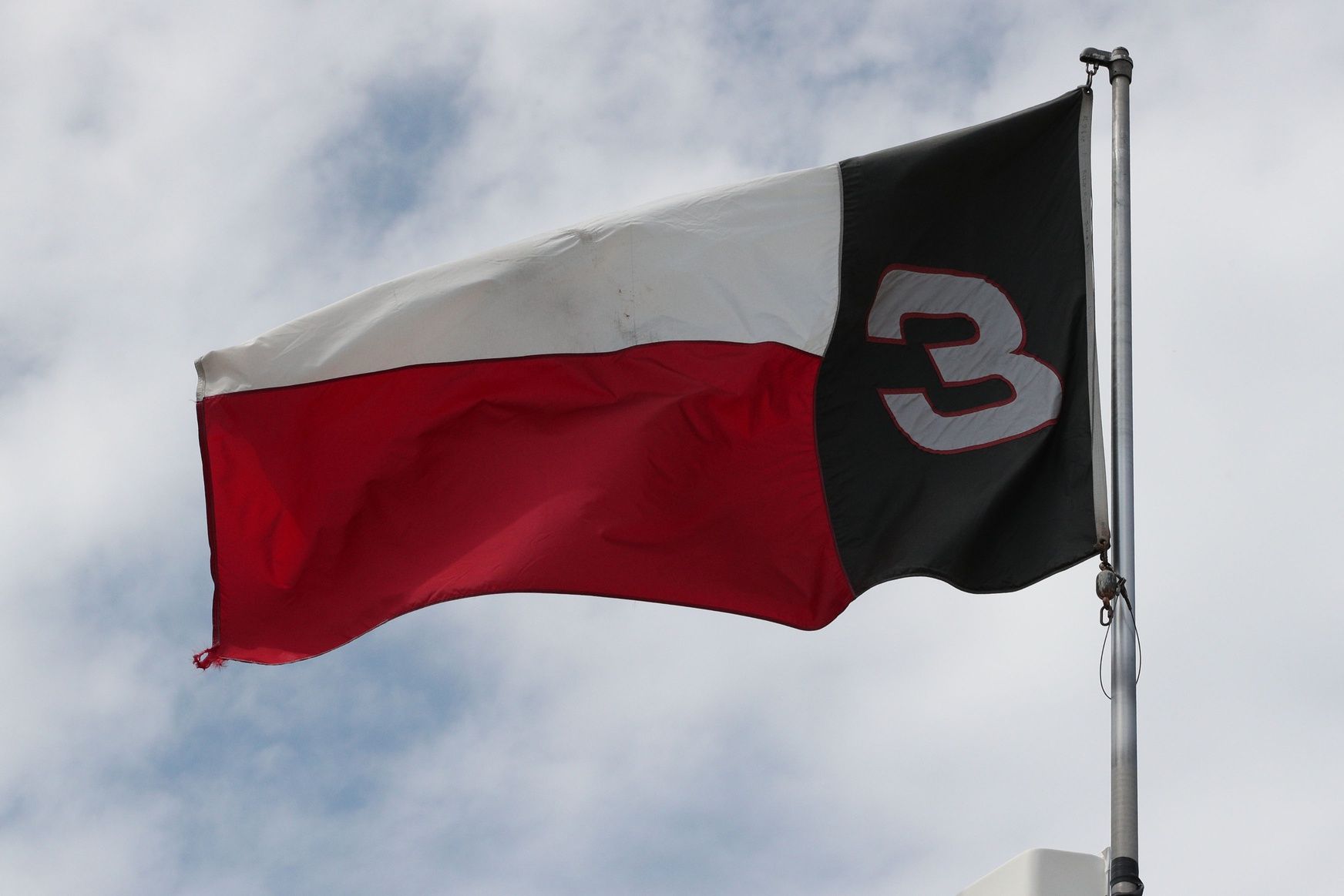
Dale Earnhardt Sr.’s death was a defining moment in NASCAR history. His tragic passing shed light on major safety shortcomings in NASCAR’s newer cars. But the seven-time Cup Series champion had raised these concerns long before the fatal crash that claimed his life.
Dale Earnhardt Sr. Warned NASCAR About Its Fragile New-Era Cars Before It Was Too Late
Feb. 18, 2001, will always be remembered as the day NASCAR lost Earnhardt, and the sport was never the same again. Nine drivers in NASCAR national series events passed away between 1990 and 2001, but in the 20+ years since then, the sport has seen a major safety turnaround with zero fatalities in its top-tier races.
Though dangerous wrecks like Ryan Newman’s 2020 Daytona 500 crash caused serious damage, thankfully, no NASCAR drivers have been lost since.
Earnhardt’s death became the spark for NASCAR’s full-scale driver safety initiative, which has since helped prevent dozens of fatalities. To make that happen, NASCAR brought in top engineers and researchers to build safer cars.
Earnhardt had already voiced concerns about the fragile build of modern NASCAR vehicles before his fatal crash. In an interview with The Orlando Sentinel’s Ed Hinton, he called the new cars “more delicate” than the older ones.
March 24, 2000: Dale Earnhardt said current Cup cars had become too delicate compared to old ones
"If I raced an '86 Monte Carlo against a 2000 Monte Carlo, I could probably rough up that new Monte Carlo a little bit and beat him because I'd have him bent-up a little bit, and… pic.twitter.com/hSyzTdDNfS
— nascarman (@nascarman_rr)
“We raced cars that were basically bullet-proof,” Earnhardt had said about the vehicles he drove in the ’80s. “We’d scuff the wall with them or get into a bump-up, and you could still race and win.”
The NASCAR legend believed the later-model cars in his career were almost as fragile as prototype sports cars.
“If I raced an ’86 Monte Carlo against a 2000 Monte Carlo, I could probably rough up that new Monte Carlo a little bit and beat him because I’d have him bent-up a little bit, and I’d still be going straight.”
Third-generation NASCAR cars (those used between 1981 and 1990) were known for their strength. They had no doors, which offered more protection in rollovers or side crashes. The larger spoilers created more downforce, which helped with traction and stability at high speeds.
However, in the fourth generation, manufacturers aimed to make the cars lighter. The steel body was replaced by fiberglass, and wind tunnels were used to fine-tune aerodynamics. In later years, NASCAR shifted its focus and prioritized safety over speed or design.
Engineers began accepting trade-offs to build stronger cars. After a horrific crash at Texas Motor Speedway in April 2008 — where Michael McDowell’s Toyota Camry hit the wall at 180 miles per hour and flipped several times — the driver walked away without injury. Broadcasters pointed to the safety upgrades as the reason he survived.
Modern cars have more space around the driver to offer better protection from side impacts. The new frame design absorbs and redirects impact energy away from the driver.
Sadly, it took the loss of a NASCAR icon to bring about these changes. Earnhardt saw the risks before anyone else, but his warnings came too late to save his own life.
