
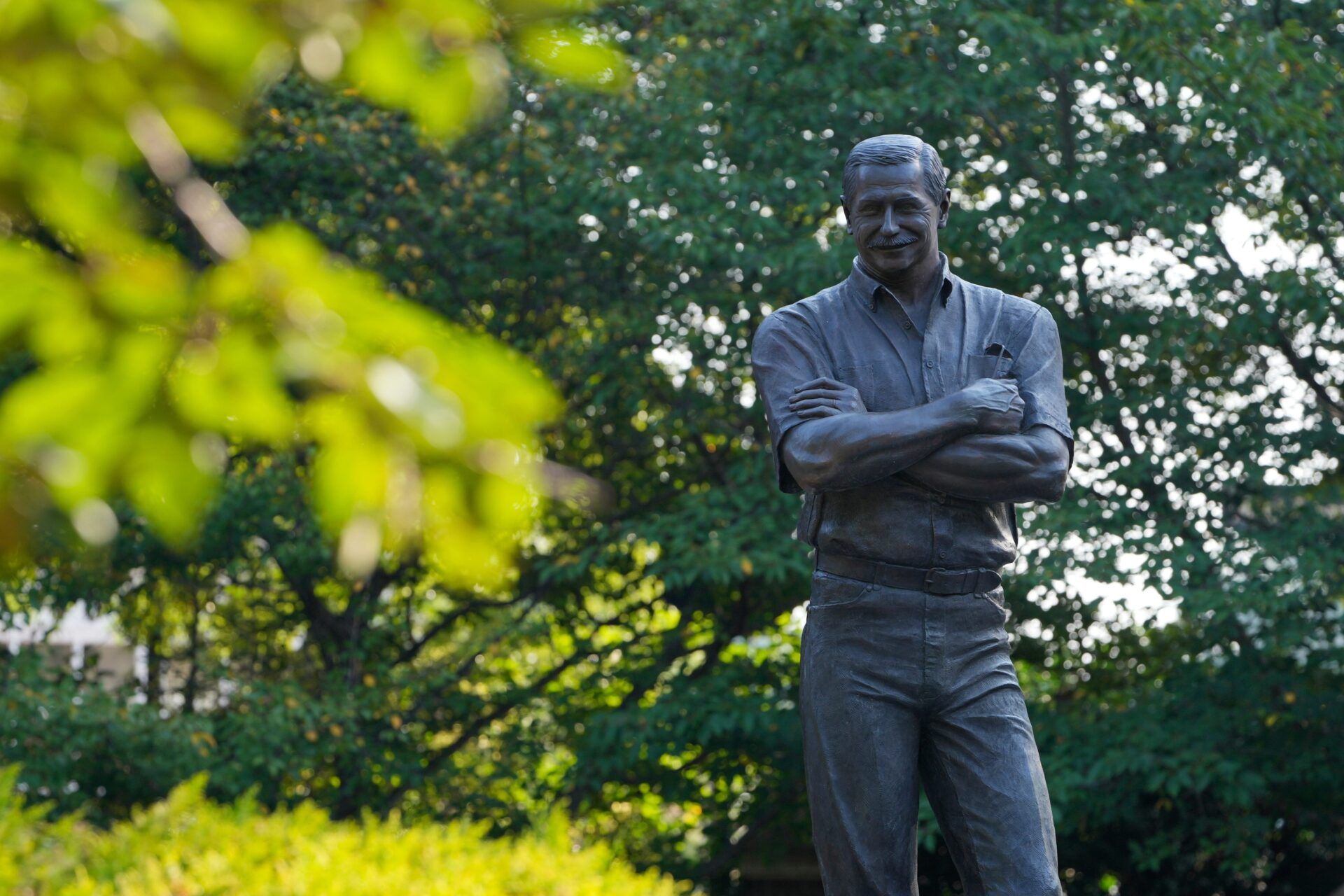
When news broke that another Dale Earnhardt documentary was on the way, the reaction across NASCAR Nation felt familiar. Nearly 25 years after that somber February afternoon at Daytona 500, “The Intimidator” still carries a weight few figures in sports history can match. But with that legacy comes hesitation. For many fans, the memories of loss and heartbreak remain vivid, raising the question of what more could possibly be said.

FS1 Brings Another Dale Earnhardt Story to NASCAR Screens
The crash, the tragedy, the aftermath, it has all been revisited countless times. Yet according to those closest to NASCAR’s history, this new project isn’t focused on reliving the moment the sport lost Earnhardt. Instead, it aims to explore what happened next and why his presence still looms so large decades later.
Following the Duels at Daytona International Speedway, FS1 is set to air its upcoming documentary “We’ve Lost Dale Earnhardt” on Feb 12. While some question the need for another film centered on NASCAR’s most painful moment, others are cautiously optimistic.
One voice firmly in the latter camp belongs to NASCAR historian and longtime blogger Bob Ellis, who manages the Dale Earnhardt Archives.
DON’T MISS: The Side Draft, PFSN’s free NASCAR newsletter
“To put it succinctly, I’m looking forward to seeing this,” Ellis wrote, after acknowledging the divided response. His reasoning cuts to the heart of why this documentary feels different. As Ellis points out, it has now been 25 years since the seven-time champion’s death, longer than his full-time Cup Series career lasted.
And yet, his presence in the sport remains undeniable.
“He’s been gone longer than he raced full-time in NASCAR’s top series,” Ellis noted. “And yet, here we are still talking about him.” That enduring relevance is the documentary’s real focus. Rather than retelling Earnhardt‘s career highlights or reexamining the crash itself, the film shifts attention to the aftermath, how one moment reshaped NASCAR, and why Earnhardt’s influence never faded.
Even today, the late great’s legacy shows up in ways that defy logic. He continues to outsell many current drivers in merchandise. His image still resonates with new generations of fans who never watched him race live. As Ellis bluntly put it, “No other driver has had the same impact on the sport 25 yrs after their last race as Dale has had. None.”
FS1 and NASCAR have framed the project as an exploration of the man beyond that single day in 2001, examining how his loss permanently altered the sport and continues to affect today’s competitors.
In that sense, the documentary acts less like a replay and more like a reflection on safety changes, cultural shifts, and the emotional ripple effect that still lingers in the garage.
Ellis views the film as a natural follow-up to Prime Video’s four-part “Earnhardt” docuseries, describing it as a companion piece that “continues where Prime’s Earnhardt left off.” Instead of ending with loss, this documentary asks a harder question: why does Dale Earnhardt still matter so much?
“I am very interested to hear what the people they interviewed have to say,” the veteran journalist wrote, particularly about how Earnhardt’s death impacted them personally and professionally. That perspective, rooted in legacy rather than loss, is what separates this project from past retellings.
