
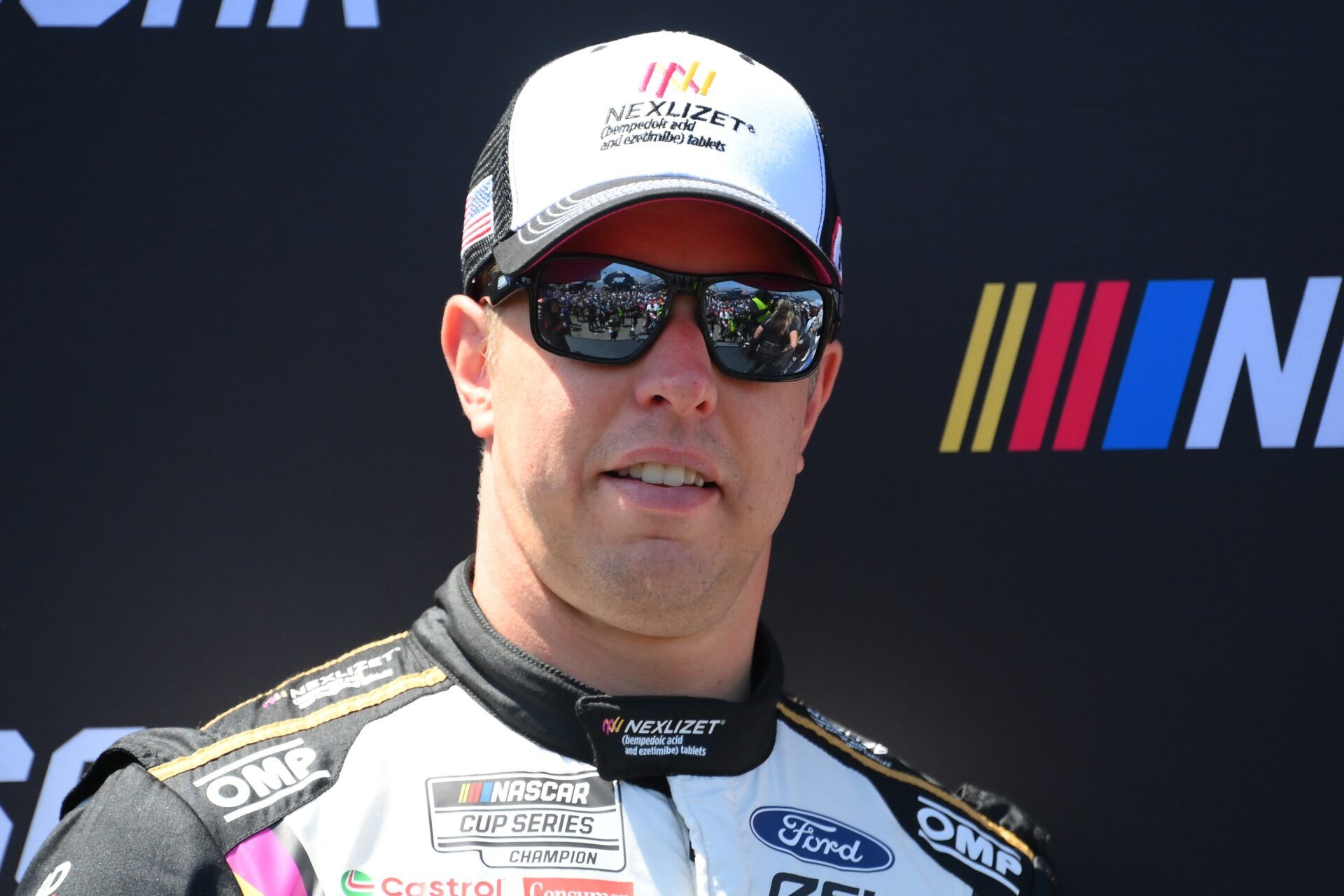
Brad Keselowski has offered an early glimpse into how NASCAR’s evolving championship format could reshape the fight for the 2026 Cup Series title. He recently suggested the proposed changes may finally place renewed emphasis on what fans have long been asking for rather than the current short-term playoff volatility.
Brad Keselowski Weighs In As NASCAR Explores Tweaks to Its Championship Format
Keselowski believes NASCAR’s proposed championship format changes could mark a significant shift from the current system. This comes after years of debate over the sport’s playoff-heavy structure.
Speaking to Bob Pockrass in a recent interview, the former Cup Series champion suggested that the proposed changes may better reflect sustained performance rather than isolated moments of victory.
“It will certainly reward consistency at a much higher level, and I think we’re excited about that,” Keselowski said, addressing long-standing concerns within the garage about the balance between playoff drama and championship fairness.
NASCAR will announce its new championship format Monday afternoon. Brad Keselowski said he expects it to reward consistency more: pic.twitter.com/1KDCXD1ZnV
— Bob Pockrass (@bobpockrass) January 9, 2026
Keselowski’s comments come amid ongoing discussions within NASCAR about refining its postseason structure, which has often drawn criticism for allowing strong regular-season campaigns to be undone by a single poor race in the playoffs.
While the current system has delivered unpredictability, entertainment, and heightened late-season drama, drivers and teams have increasingly questioned whether it adequately rewards those who perform at a high level across the entire year.
Although the sanctioning body has not officially announced specifics of the new structure, the direction appears to signal refinement rather than a complete overhaul of the playoff model.
The discussion around format changes comes after last season’s severe backlash of the playoffs, when Connor Zilisch lost the Championship despite dominating the entire season with 10 race wins.
As NASCAR evaluates fan feedback, competitive integrity, and the evolving landscape of the sport, Keselowski’s words suggest that they are seeking a balance between maintaining the excitement of elimination-style playoffs and ensuring the championship still awards the season’s most deserving driver.
As both a driver and team owner, Keselowski’s perspective carries weight within the garage, particularly given RFK Racing’s resurgence. His comments suggest cautious optimism that NASCAR may be moving toward a system that rewards consistency without sacrificing the spectacle that has become central to the modern Cup Series.
With further details expected in the coming weeks, Keselowski’s remarks point to a broader sentiment within the paddock: A championship built on sustained hard work, rather than survival of a single decisive race, could strengthen the legitimacy of NASCAR’s top series.
