
Often referred to as the ‘Pinnacle of Motorsports,’ Formula 1 is one of the most successful motorsports businesses of all time, along with being equally entertaining. Now, being at the top also translates to more cash flow for everyone associated with the industry.
Many big entities associated with F1 are worth more than just a few billion dollars. Recently, Mercedes-AMG, one of the most accomplished teams in the sport, joined an elite club when it hit a valuation of approximately $6 billion. The figure also placed the team above many prominent names from other major sports leagues, including the NBA, the NFL, and the Premier League.
How Did Mercedes-AMG’s Valuation Rise to $6 Billion in F1?
The boom in F1’s valuation and that of the teams has seen a rapid growth in the last decade. That graph has risen further in the previous five years, which has left even the smallest F1 team, Haas, with a valuation of almost $1.5 billion. And at the top of the list sits Ferrari, with a market value of $6.5 billion.
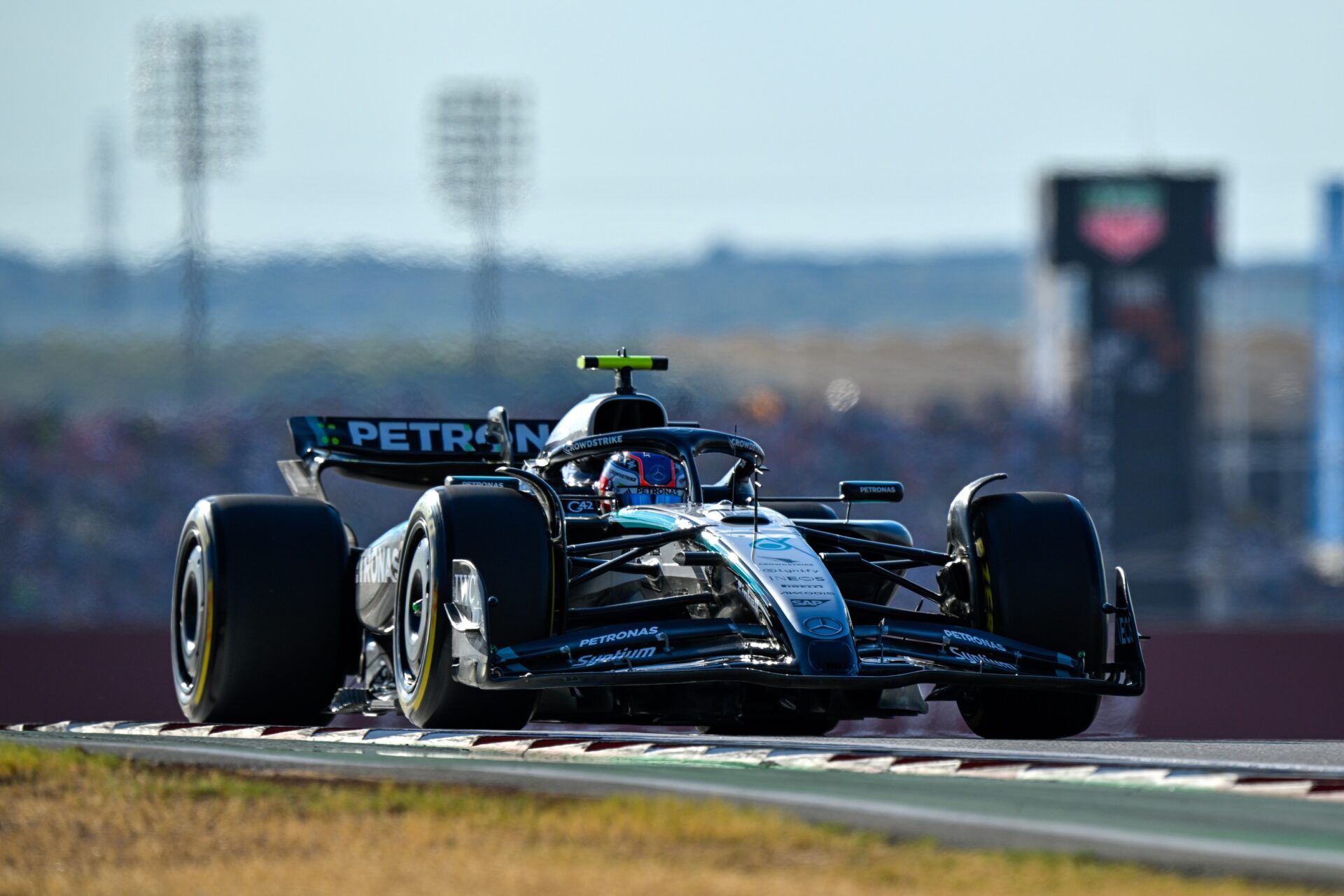
With the latest move in the Mercedes camp, the team is now on the upper end of the valuation table in F1. The team recently reached the $6 billion valuation figure when George Kurtz invested nearly $300 million in the team, securing a five percent effective stake in the F1 team.
Kurtz, an American billionaire, made his fortune through his cybersecurity venture CrowdStrike. He bought a 15 percent stake in Toto Wolff’s company and became a part-owner of Mercedes, along with serving as the team’s technology advisor.
How Big Is Mercedes As Compared to Other Giants in Sports?
His investment increased the team’s valuation to $6 billion, making it one of the most valuable entities, not just in Formula 1, but in sports. Now, to put that into perspective with other sports, the NFL has 32 teams, and Mercedes is bigger than eight of them.
Coming to the NBA, Mercedes ranks higher than 24 of the sport’s 30 franchises. It does not end there, though. Mercedes-AMG is also bigger than some of the biggest names in the soccer world. For instance, FC Barcelona, Liverpool FC, and Paris Saint-Germain are valued at approximately $5.65 billion, $5.4 billion, and $4.6 billion, respectively.
The rapid rise in numbers in F1 has much to do with the sport’s business model and, above all, its fan base. Unlike many other major leagues, the F1 fan base is global, giving it an edge over its competitors. The governing body hosts races in 21 countries each season – a formula that several other leagues have since implemented to expand their fan base.
Mercedes, which took control of the team in 2010, has elevated it to impressive heights in terms of achievements, brand value, and fan base. And a massive chunk of the success can be attributed to Wolff, at least on the business side. Under his leadership, the team has become one of the most formidable names on the F1 grid.
The team was already thriving under Wolff, so more than the money, the Mercedes boss went through with the deal to get Kurtz on board, leveraging his technical, racing, and business acumen, as well as the team’s access to more than just a few hundred million worth of liquidity.
