
The WNBA is still growing. But, according to Candace Parker and Cheryl Miller, it’s growing in the wrong direction, or at least, not fast enough in the ways that truly matter.
On the latest episode of “All Facts No Brakes With Keyshawn Johnson,” the two legends pulled no punches as they called out one persistent issue: the lack of diversity on the sidelines and the league’s tendency to chase outside models instead of leaning into its own identity.
Parker and Miller Want Change From the Inside Out
Parker didn’t sugarcoat it: “There’s still only one Black female head coach in a league that is 80% African-American women.” And that stat says more than any press release can.
Six head coaching jobs opened up last year, and almost all went to white candidates. For Parker, that disconnect between who’s on the court and who’s on the bench speaks volumes about the WNBA’s blind spots.
Miller took it a step further. “The W just can’t get out of its own way,” she said. Her issue isn’t just with hiring, it’s with the league trying to emulate the NBA without asking whether that works. “If it worked for the men, great. Tinker with it. But what fits best for us?”
According to her, the WNBA needs to stop chasing someone else’s blueprint and start investing in what makes the women’s game unique. That means more tailored solutions, more authentic storytelling, and more internal growth, not outside imitation.
“We lose sight of that, because we’re always trying to look at what somebody else is doing, instead of honing what we have, building on what we have,” said Miller. She further sounded off on the media’s treatment of Caitlin Clark and Angel Reese, calling out the double standard head-on.
The Women’s Basketball Hall of Famer compared their rising rivalry to Magic Johnson vs. Larry Bird, noting that when men go head-to-head, it’s branded as “theater.” When women do the same? It’s spun as jealousy, pettiness, or drama.
“I respect your game, but we don’t have to be kumbaya,” Miller said. “We’re allowed to not like each other.” But the media, she argues, too often focuses on optics over excellence, which neither serves the league nor the players.
While Parker isn’t shy about voicing criticism, her own story remains one of the most celebrated in WNBA history.
Parker’s Legacy Still Shines Bright in Los Angeles
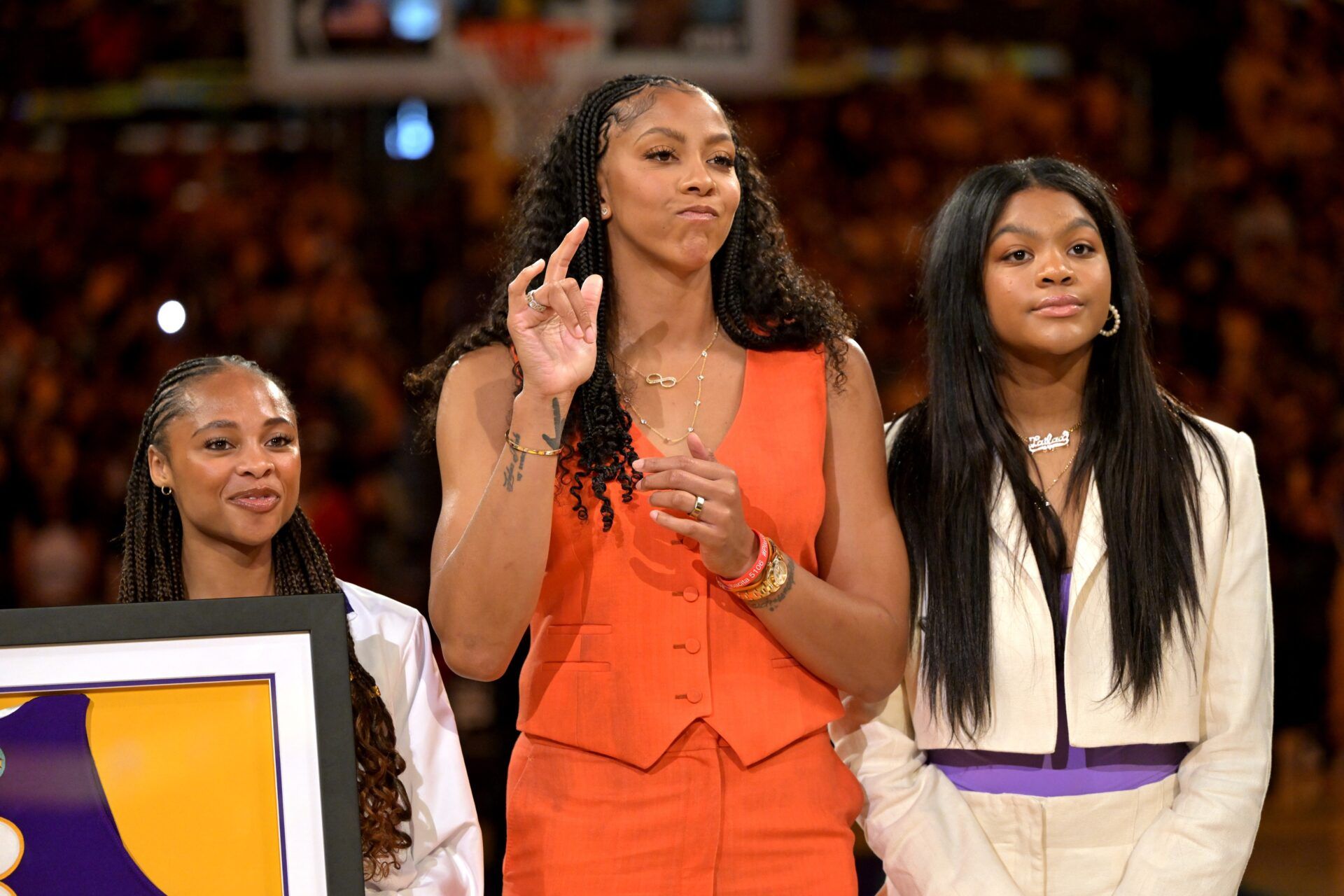
On Sunday, the Los Angeles Sparks retired her No. 3 jersey during a halftime ceremony at Crypto.com Arena. It was a fitting tribute for a player who led the franchise to a championship and still holds the team record for assists.
“To see my jersey hanging in the rafters amongst other legends is truly an honor,” Parker said in a statement. But for her, the moment was bigger than basketball; it was about family, teammates, and being part of something larger.
The ceremony also spotlighted Parker’s new book, The Can-Do Mindset, which dives into how she turned her childhood nickname into a personal philosophy, one that carried her through mental hurdles and career highs alike.
With legends like Parker and Miller pushing for accountability and structural reform, the WNBA finds itself at a crossroads. Growth is happening. But if the league wants to truly evolve, it may need to start listening to the very women who built it.
