
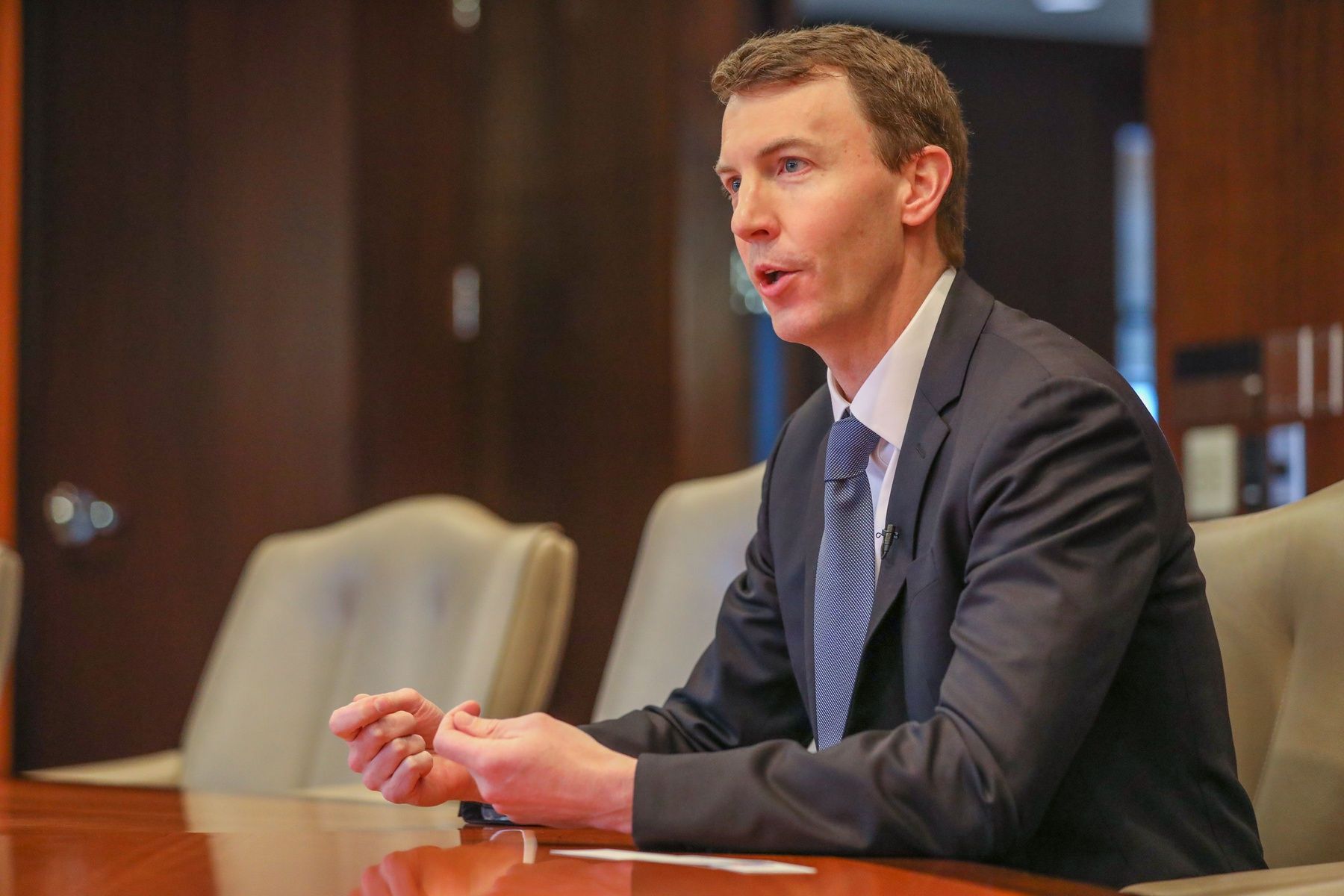
College athletics is on the verge of its biggest transformation in decades. The appointment of Bryan Seeley as CEO of the newly established college sports enforcement body, the College Sports Commission, marks a turning point in how athlete payments will be monitored and regulated.
With new NIL rules and a revenue-sharing model on the horizon, this shift could redefine college athletics for years to come. The challenge ahead is clear: enforcing fair play while keeping the system stable.
Former MLB Investigator Takes Charge
Seeley began his tenure as “Employee No. 1” last Monday morning by shopping for office equipment online, a modest start for someone tasked with overseeing such a significant transformation.
A former MLB executive and federal prosecutor, Seeley spent a decade rebuilding MLB’s investigations department. Now, he faces the challenge of setting up new investigative processes, determining fair punishments, and building relationships across hundreds of schools as they prepare to share revenue with athletes for the first time.
Specific payment caps and details are still being finalized, but the House settlement is expected to set the framework for this new era. Seeley’s experience and steady approach are seen as essential, especially as endorsement deals begin to flood in under the evolving system.
Enjoyed getting to learn the story of Bryan Seeley, who suddenly emerges as one of the most powerful people in college sports. W/@DanMurphyESPN, we spoke to people inside college athletics and along his path of MLB executive and AUSA to learn what makes him tick. https://t.co/mRF9jAivis
— Pete Thamel (@PeteThamel) June 30, 2025
Reflecting on the road ahead, Seeley urged a balanced mindset: “Be skeptical, but don’t be cynical. There’s a real difference there. Let’s root for this to work,” he told ESPN, encapsulating his measured approach to a challenge that blends enforcement and reform.
Seeley, a Princeton and Harvard graduate, will have the final say in doling out punishments and deciding when rules have been broken. His background includes handling “Operation Five Aces,” which uncovered more than $30 million in bribes, providing experience for navigating the complex financial landscape of college athletics.
Meanwhile, conference commissioners have expressed confidence in Seeley’s leadership. ACC commissioner Jim Phillips said he took control quickly during interviews, while SEC commissioner Greg Sankey highlighted his unmatched preparation on the House settlement details. Jeff Perconte, former deputy general counsel for the MLBPA, praised Seeley’s ability to navigate the nuance of the evolving NIL culture.
To bring order to the system, Seeley has begun daily coordination with Deloitte’s team, which reviews NIL deals through its “NIL Go” platform to ensure they serve a legitimate business purpose. His first staff hires will be based on the volume of deals and the nature of violations, reflecting a flexible, needs-based strategy.
Big 12 commissioner Brett Yormark emphasized the culture shift ahead, noting the need for new behaviors and mindsets across college sports. Seeley’s challenge is to win trust from coaches, administrators, and boosters long accustomed to exploiting a loosely regulated system.
He expects it will take two to three years to iron out issues before the commission’s success can be fairly judged, urging patience as this new structure takes hold.
