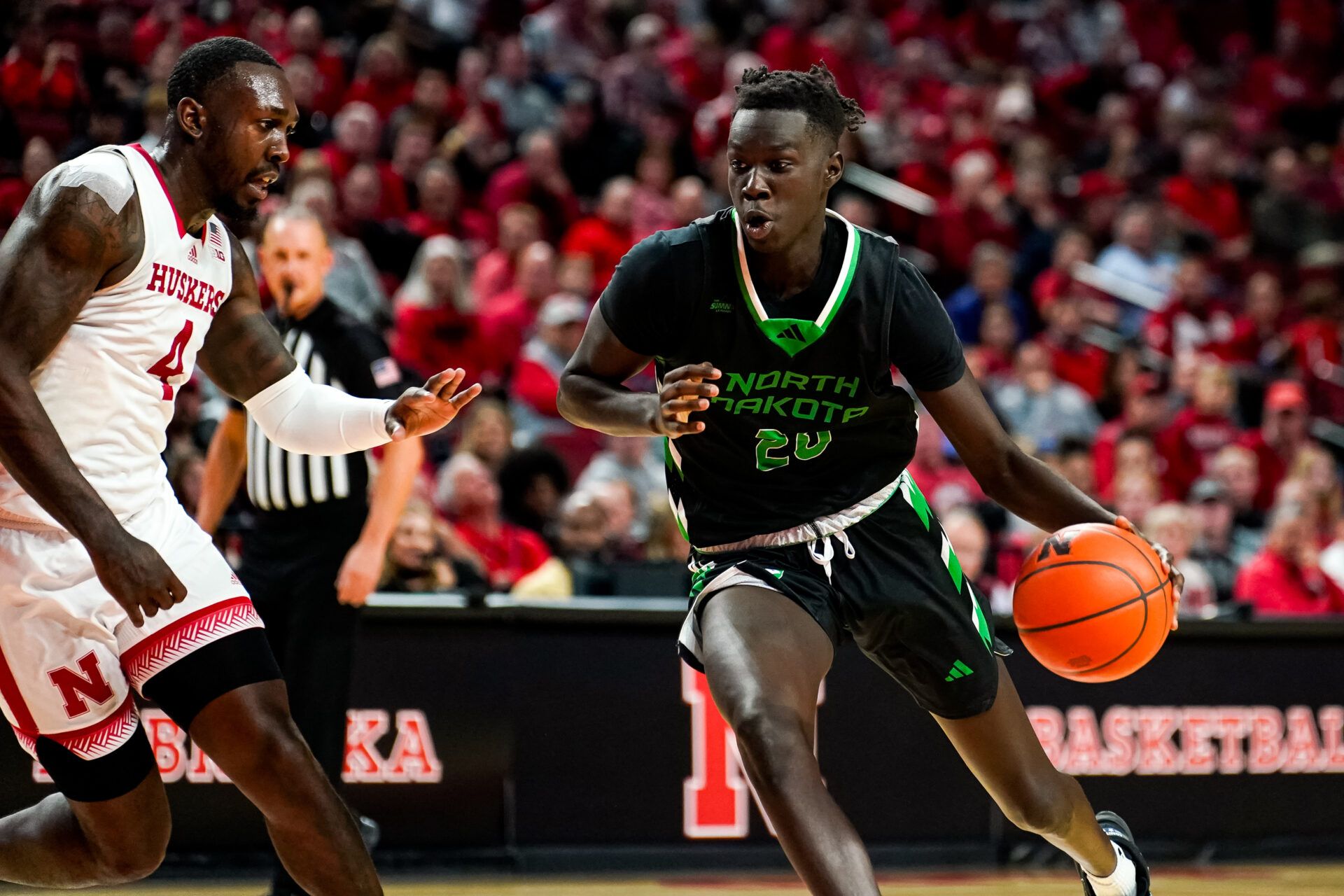
The University of North Dakota is moving forward with a major change in college athletics.
The school recently announced it will opt in to the House v. NCAA case settlement, a decision that shapes the future for the university and its student-athletes. This move signals a new era, as North Dakota adapts to evolving rules and opportunities in college sports.
North Dakota Athletics Took the “Most Prudent” Course of Action, AD Says
Several factors influenced the university’s decision, but the opportunities created by NIL contracts were central. With this system, North Dakota will be able to directly compensate student-athletes, following a general cap of $20.5 million for the 2025-26 academic year. This cap is expected to increase by 4 percent each year in the future.
“Our thought process has always been to do what is best for our student-athletes and the University of North Dakota,” said Bill Chaves, director of athletics. “With the information that we have today and the requirement to make a decision by Monday, June 30, we felt that this was the most prudent course of action.”
He continued, “There was always a chance that when the final settlement occurred that it could be different than what was initially provided by both the plaintiffs’ and defendants’ attorneys and sure enough that was the case.”
NEWS: North Dakota Athletics to opt in to House Settlementhttps://t.co/3otgZoaJ24#UNDproud | #LGH
— NorthDakotaAthletics (@UNDsports) June 27, 2025
By accepting the terms of the agreement, North Dakota gains other advantages. The school can use “roster grandfathering,” which allows teams to keep larger rosters than the new standard limits, mostly benefiting sports other than football, basketball, and baseball.
“Given that roster grandfathering can only occur should institutions opt in at this moment of time, we believe that opting in is best for UND,” Chaves said.
RELATED: ‘We Have Questions’ — NCAA’s $20.5M ‘Salary’ Cap Under Scrutiny As Lawyer Gives Ultimatum
The settlement also opens the door for payment mechanisms through third-party partners, such as foundations and similar organizations. These partners must meet specific requirements, and their contributions will not count against the university’s internal NIL cap. This setup creates more opportunities for student-athletes to benefit from NIL deals.
The House v. NCAA case began in 2020, when several former college athletes sued the NCAA for limiting their right to financial compensation for their name, image, and likeness.
After years in court, the case reached a turning point in 2024, when the NCAA and the plaintiffs agreed to restore the athletes’ rights. The settlement was finalized with judicial approval in 2025, marking a historic shift in college sports.
The most significant result is that universities can now compensate student-athletes, with the $20.5 million general cap for the 2025-26 academic year. This change is expected to reshape how schools and athletes approach NIL opportunities in the years ahead.
