
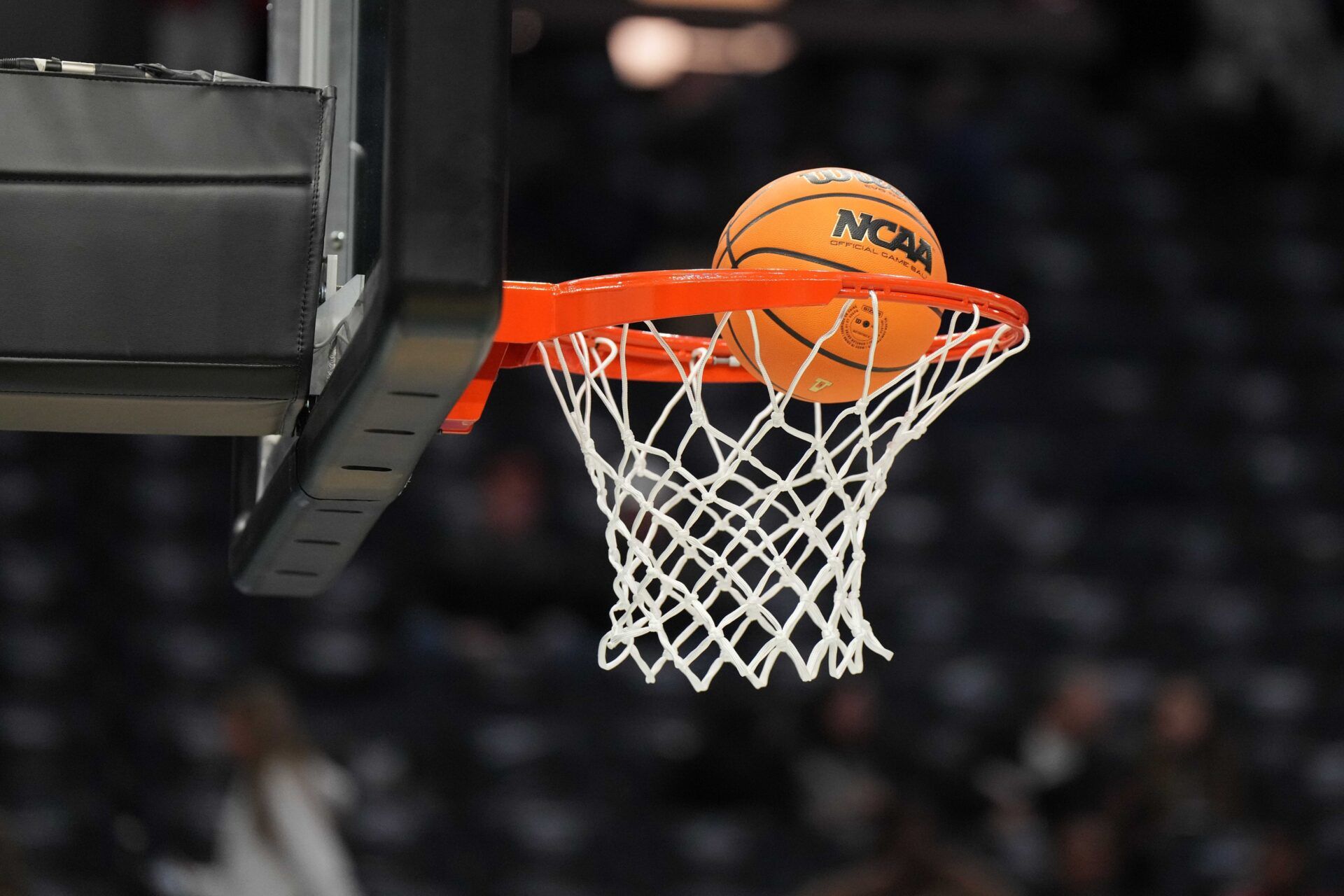
EA Sports will bring college basketball back to gaming consoles in 2028, ending a 19-year drought for the beloved franchise. The announcement follows the record-breaking success of EA Sports College Football 25, which generated over $500 million in revenue and became the best-selling sports video game in U.S. history.
After navigating complex licensing challenges and the new landscape of athlete compensation, EA Sports secured the winning bid to resurrect March Madness in digital form, promising to include both men’s and women’s teams for the first time.

College Basketball Video Game’s Resurrection Tied Directly to College Football 25’s Blueprint
The triumphant return of college football gaming paved the way for basketball’s comeback. EA Sports College Football 25 exceeded all expectations, earning more than triple its initial $150 million projection by July 2024. This financial success convinced industry executives that college sports gaming remained a lucrative market despite years of legal complications.
According to a College Licensing Company (CLC) memo, the football game “proved to be a smashing success, obliterating previous revenue projections.” Within months of its release, the game claimed the title of 2024’s highest-selling video game, providing EA Sports with the confidence to pursue another dormant college sports franchise.
EA Sports College Basketball is making its return and is scheduled to release in 2028, per @MattBrownEP 🔥 pic.twitter.com/YnRRnSVni9
— College Basketball Report (@CBKReport) June 30, 2025
The revival of both franchises follows remarkably similar paths. Legal concerns over player NIL rights, highlighted by the O’Bannon v. NCAA case filed in July 2009, forced EA Sports to discontinue both series. The company ceased production of college basketball games after NCAA Basketball 10 in 2009, while the football franchise lasted until 2013.
The landscape shifted dramatically when the NCAA lifted restrictions on NIL compensation on June 30, 2021, with the rules taking effect July 1. EA Sports capitalized on this change, first with football and now with basketball, creating a sustainable model for compensating athletes while producing authentic gaming experiences.
Building the Next Generation of College Hoops
The path to basketball’s return began in November 2024 when the College Licensing Company requested proposals. Five companies expressed formal interest in developing a new college basketball game, with three submitting official bids.
EA Sports emerged as the recommended choice, drawing on its experience from successfully relaunching the football franchise.
The upcoming game promises unprecedented scope and inclusivity. EA Sports plans to feature all Division I men’s and women’s college basketball teams, marking the first time women’s programs will appear in the franchise’s history.
This expansion reflects the growing popularity and viewership of women’s college basketball, particularly following recent March Madness tournaments that shattered attendance and television records.
RELATED: What Was EA Sports’ Last College Basketball Game, and How Did it Perform?
Athletes will receive compensation for their NIL rights, following the model established by the football game. While specific payment amounts remain unconfirmed, the football game’s structure provides a template, with players receiving both monetary compensation and a copy of the game.
The inclusion of authentic team uniforms, arenas, fight songs, and traditions will also create an immersive March Madness experience for players.
The three-year development timeline allows EA Sports sufficient time to navigate complex licensing agreements with conferences, schools, and thousands of individual athletes. The extended development period also ensures the company can build a game that meets modern gaming standards while capturing the unique atmosphere of college basketball.
With the proven success of College Football 25 demonstrating sustained consumer demand for college sports gaming, EA Sports appears positioned to deliver another hit. The combination of pent-up demand, expanded NIL opportunities, and the inclusion of women’s teams suggests the 2028 release could match or exceed the football game’s remarkable commercial performance.
