
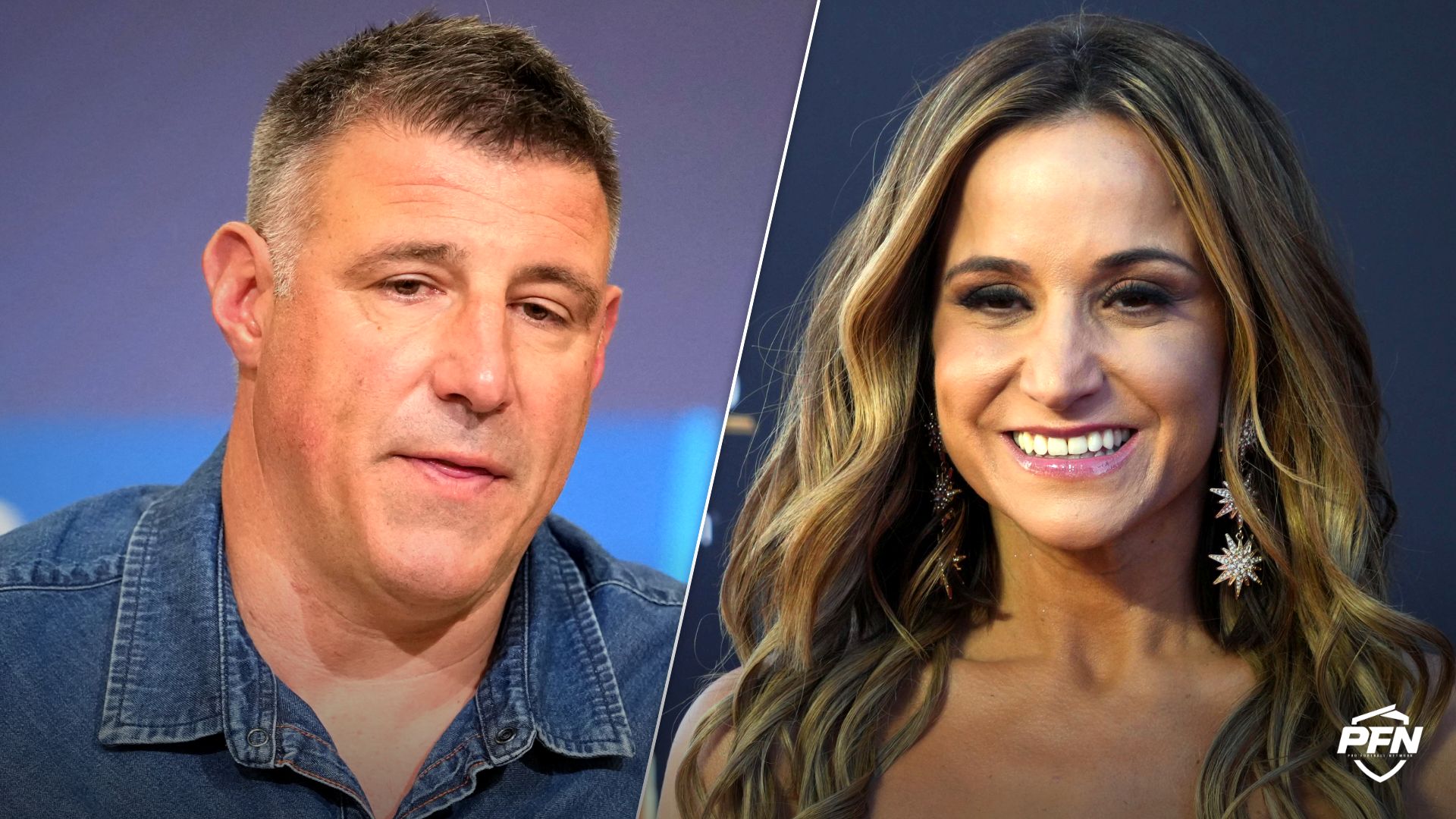
The Athletic spent nearly five months reviewing Dianna Russini’s work after her undisclosed relationship with New England Patriots coach Mike Vrabel became public. Its final conclusion did not stop at Russini.
While the review found no clear evidence that she used her reporting to promote Vrabel or his teams, it determined that failing to disclose the relationship violated company standards. Editorial director for standards and quality Mike Semel then turned the lens back on the newsroom itself, recommending three changes designed to make a similar situation harder to repeat.

Russini Review Leads to Call to ‘Tighten Standards’
Semel wrote in the full report that The Athletic already has strong conflict-of-interest rules, but those policies depend heavily on employees being candid with editors. His answer was to add more structure around that expectation.
The first recommendation was: Add a review with the Standards Editor to the onboarding process for newsroom employees.
Instead of relying only on new hires reading the code of conduct, Semel proposed a 30-minute conversation with the Standards Editor so that expectations around ethics, disclosure, and accountability are established before a reporter begins working.
The second was: Clarify The Athletic’s conflict-of-interest guidelines.
The report found that Russini should have told editors about her alleged relationship with Vrabel so they could determine which stories, if any, she should cover. Semel reported that the review called the undisclosed relationship a “clear violation of The Athletic’s standards. Regardless of whether the relationship was romantic.”
BE THE GM OF YOUR FAVORITE TEAM: PFN’s Free NFL Mock Draft Simulator
The third recommendation went directly at one of insider journalism’s most sensitive pressure points: Clarify and strongly enforce The Athletic’s sourcing standards.
Semel argued that editors should always know the identity of anonymous sources, including on transactional insider news, and reporters should answer those questions immediately and honestly. He also urged editors to watch for reporters leaning too heavily on the same sources, which can raise questions about the nature of those relationships.
START PREPARING: PFN’s Free Fantasy Draft Simulator
That recommendation carries extra weight in Russini’s case because the review examined 903 written pieces, 204 “Scoop City” podcast episodes, and 77 videos. Only about 5% of her written work mentioned Vrabel or one of his teams, and investigators said they found no clear link showing she used her platform to help him.
Still, the report acknowledged examples of coverage that looked awkward in hindsight and recommended editors’ notes on four pieces. PFN’s earlier coverage detailed the same split conclusion: a standards violation without clear evidence of reporting bias.
The review therefore landed in an unusual place. Russini’s journalism was not found to contain clear systematic bias toward Vrabel, but her lack of disclosure damaged confidence in the process around that journalism.
The Athletic’s proposed fix is not simply to tell reporters to avoid conflicts. It is to make editors more involved before, during, and after conflicts develop.
For an investigation born from one reporter’s undisclosed relationship with a source, the final recommendations amount to a broader admission: trust cannot depend only on everyone volunteering the right information at the right time.
