
Money has long been part of the conversation in professional sports, but few NHL topics create as much debate as the role of state income taxes. League executives continue to downplay its impact, while players quietly make career decisions that suggest otherwise.
This discussion gained fresh momentum after a familiar Panthers veteran returned to South Florida and shared a perspective that does not align with the league’s public stance.
Radko Gudas Goes Against Gary Bettman’s Line on Florida’s Tax Advantage
Veteran defenseman Radko Gudas has provided a player’s perspective that directly conflicts with NHL Commissioner Gary Bettman’s position on the state tax debate.
Florida reacquired Gudas’ negotiating rights from the Anaheim Ducks on June 29 before signing him to a 6-year, $9 million contract with a $1.5 million average annual value. The move brought back a defenseman who previously helped the Panthers reach the 2023 Stanley Cup Final while giving the team another experienced presence on its blueline.
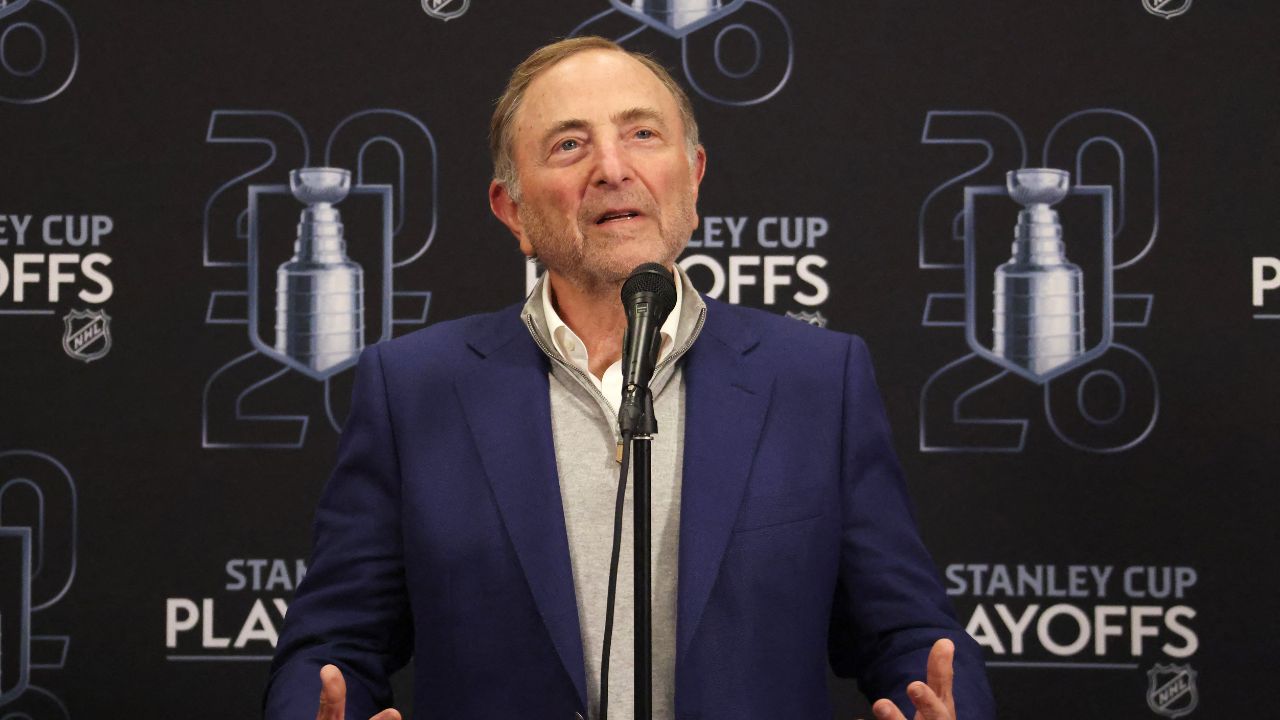
Bettman has consistently dismissed the idea that tax-free states create an uneven playing field.
During the 2025 Stanley Cup Final, Paul Bissonnette asked whether the NHL would ever consider addressing the issue. Bettman quickly shut down the discussion, saying, “Will you stop? It’s a ridiculous issue.”
Bettman argued that Florida’s success comes from strong management and winning organizations, adding that nobody complained about taxes when the state’s NHL teams struggled for nearly 17 years.
Gudas, however, painted a very different picture while speaking with Deník Sport. Explaining why Florida remains an attractive destination, he said, “Because of the lower income taxes, players are willing to play there even for a little less money.”
Gudas also noted that his decision to return to the Panthers was driven by his desire to compete for another Stanley Cup.

In Florida, where there is no state income tax, players can earn more after taxes even when accepting a smaller salary on paper. Under the NHL’s hard salary cap, that creates extra roster flexibility because contenders can retain experienced players at lower cap hits while the players still receive favorable take-home earnings.
Gudas’ own career reflects that reality. After leaving Florida in 2023, he signed with the Anaheim Ducks, spent three seasons in California, and served as the team’s captain before returning to the Panthers this summer. His new deal includes a signing bonus structure, a full no-trade clause in the first year, and a manageable $1.5 million cap hit through the 2031-32 season.
Bettman continues to insist that organizational strength, not tax policy, determines success.
KEEP READING: ‘Reporter Dropping Breaking News 2 Hours Late’: Oilers Blueliner’s Agent Picks Beef With NHL Insider
However, Gudas’ comments tell a different story. While he did not claim taxes are the only reason players choose Florida, he acknowledged they influence negotiations, making his remarks a direct contradiction of the commissioner’s long-standing position and ensuring the debate remains far from settled.
