
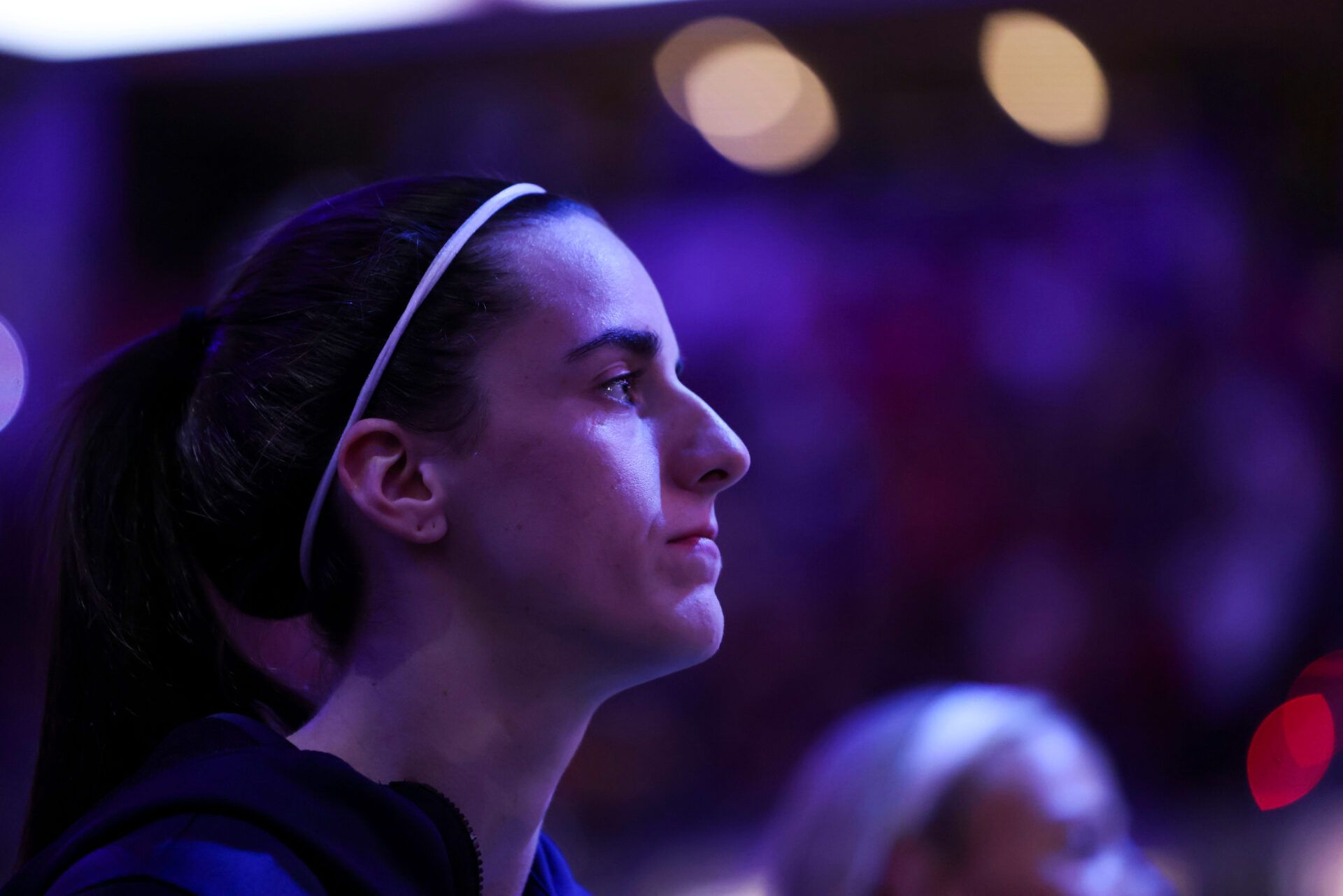
Caitlin Clark’s WNBA journey has been nothing short of headline-worthy. Following Wednesday’s matchup between the Indiana Fever and Phoenix Mercury, the Fever’s star guard once again finds herself at the epicenter of a relentless public narrative.
With 6:52 left in the second quarter, Mercury’s Alyssa Thomas made an uncalled contact with Clark’s throat, but no foul was called. Though the league later upgraded it to a Flagrant Foul 2 and suspended Thomas for a game as a penalty, the incident quickly spiraled out of control, sparking something far worse than just a routine debate.
The Widening Trust Deficit Surrounding Caitlin Clark’s WNBA Era
The 2-time All-Star’s every move on the court is under intense scrutiny. The recent physical showdown on June 24 at Gainbridge Fieldhouse highlighted the gap between the fans’ enjoyment and a player’s toxic on-court experience, raising questions about how the league treats its athletes.
Seerat Sohi of The Ringer addressed this divide, writing, “The WNBA’s biggest PR problem isn’t the overly physical play, Clark’s complaining, poor refereeing, or even the bad-faith actors who look at every moment like it’s the Zapruder film, in search of ways to ignite culture wars. The WNBA’s biggest problem is the gulf between how good it feels to be a WNBA fan and how toxic the league seems from the outside looking in.”
She noted that, outside the arena, the league is shaped by two polarizing narratives.
One side claims, “the league is stacked against Clark. Players resent her, referees won’t protect her, and league leadership has been reluctant to acknowledge obvious mistreatment.” The other side sees the league as “a hotbed of racism, homophobia, and misogyny.”
She also highlights her frustration with the league’s ignorance of the “obvious realities around Clark.”
These viewpoints turn ordinary basketball games into cultural controversies, leaving players vulnerable and overshadowing the league’s historic growth and expansion.
The WNBA celebrated its 30th anniversary this month with a special game, recreating the LA Sparks and New York Liberty’s inaugural matchup from 1997.
The 2026 season began with 15 teams, two new expansion franchises, the Portland Fire and the Toronto Tempo. With the league estimated at more than $5 billion, the average franchise is now valued at $460 million, according to CNBC’s Official WNBA Team Valuations 2026.
The league is thriving statistically, yet leadership under commissioner Cathy Engelbert continues to struggle. The loopholes in officiating undermine trust between the league and fans, often leading to animosity toward certain players or franchises.
Head coach Stephanie White also expressed frustration over the officiating discrepancies following the Fever’s 109-111 loss to the Mercury.
“I’m not sure if it had any impact on her health or not, but it was egregious,” said furious coach White after the game. “We have a generational talent and a WNBA superstar who had two cheap shots there that weren’t called.”
The central dilemma facing professional women’s basketball is not just hard fouls, but a perception gap that threatens its historic expansion. The WNBA must find ways to bridge that gap and establish clear officiating standards. It will determine whether the league can protect itself and its players like Caitlin Clark or will be constantly defined by outside noise.
