
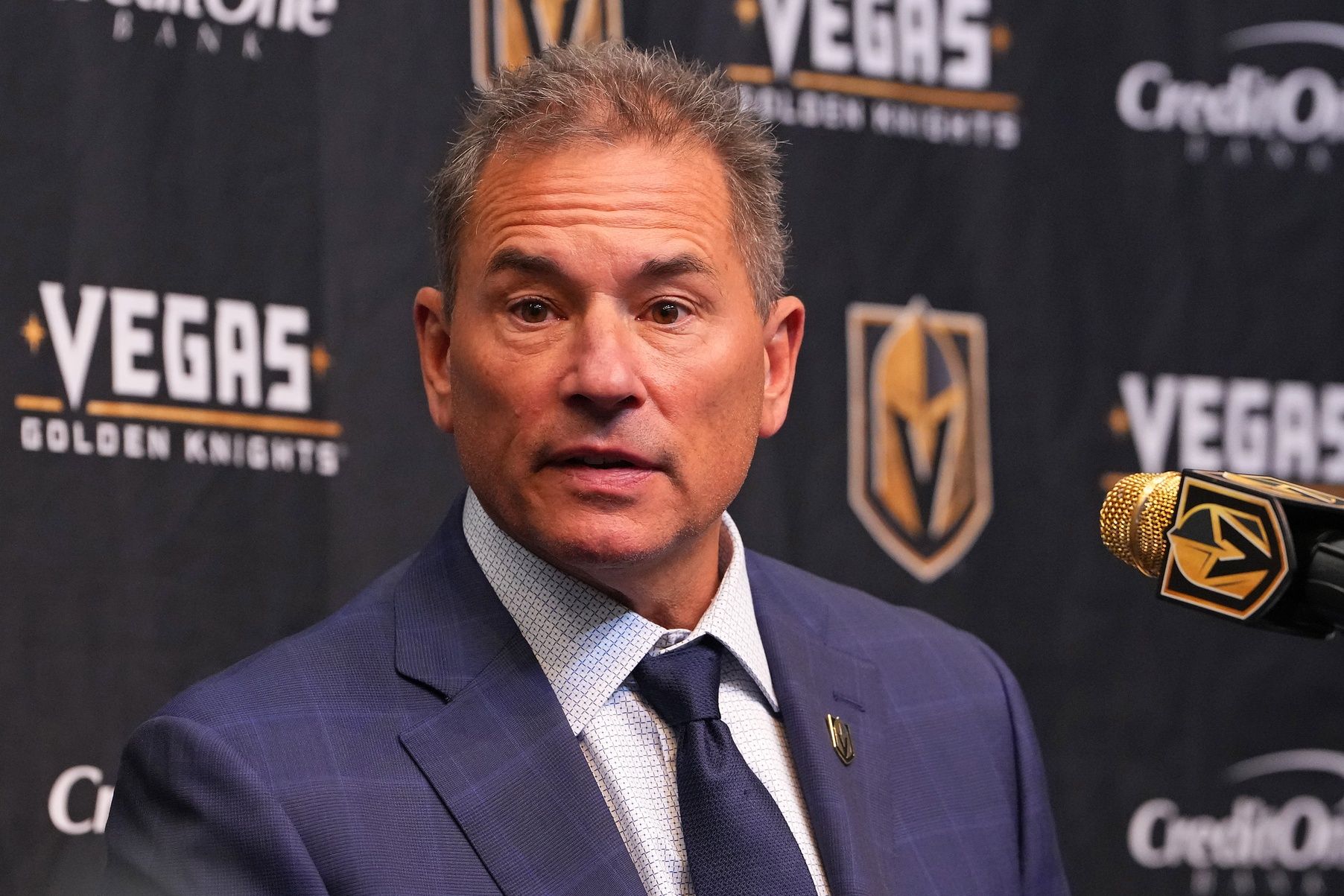
The standoff between Bruce Cassidy and the Vegas Golden Knights has grown into a much bigger story than a simple coaching change. What started as Vegas firing Cassidy and hiring John Tortorella has turned into a debate about contract rights, team control, and how much freedom NHL coaches really have once they’re let go.
When Cassidy was dismissed, many around the league expected him to immediately become one of the top candidates for available head coaching jobs. Instead, Vegas shut that possibility down by refusing to grant other teams, most notably the Edmonton Oilers, permission to speak with him.
Now, one NHL insider believes the Oilers-Golden Knights Bruce Cassidy dispute could have consequences that extend well beyond this offseason.
Bruce Cassidy-Oilers Situation Could Reshape Future Coaching Contracts
The controversy intensified when Cassidy publicly admitted he was frustrated and disappointed watching attractive coaching opportunities emerge while being contractually prevented from pursuing them.
Golden Knights general manager Kelly McCrimmon responded by acknowledging Cassidy’s frustration but pushed back on the criticism. McCrimmon argued the story only gained traction because details of Edmonton’s interest were leaked publicly.
This week, NHL Deputy Commissioner Bill Daly weighed in and made it clear that Vegas is operating within league rules. “There are contracts in this league that would prevent this from happening, but this is not one of them,” Daly said.
Daly’s comments suggest the Golden Knights have every right to keep Cassidy under contract and continue paying him rather than letting him join a division rival.
NHL insider Pierre LeBrun believes Daly’s remarks highlighted an important reality that many fans, and even some media members, may not fully understand.
LeBrun explained that, unlike player contracts, coaching agreements are not standardized across the league. While the NHL Coaches Association has made progress toward creating more consistency, coaching contracts can still vary significantly from one deal to another.
“I think it was Bruce Boudreau with Minnesota who had an advisory option in his deal after he left. You can negotiate different things in your deal. And what Daly said is there are some coaches’ contracts that have that out language that would have been beneficial to him. His deal is not one of them,” LeBrun said.
“Obviously a wake-up call for any coach in that position to want to negotiate that kind of language when they can. But again, that takes two to tango,” he added.
However, LeBrun also noted that teams may resist including such provisions because they want to maintain control over where a highly respected coach lands next.
The Cassidy situation showed that not all coaching contracts are the same. In the future, top coaches may try to negotiate stronger protections that would allow them to interview for other jobs more easily if they are fired.
Without those protections, a fired coach may find himself in the same position Cassidy is now: still under contract, still getting paid, but unable to pursue another NHL job unless his former team grants permission.
