
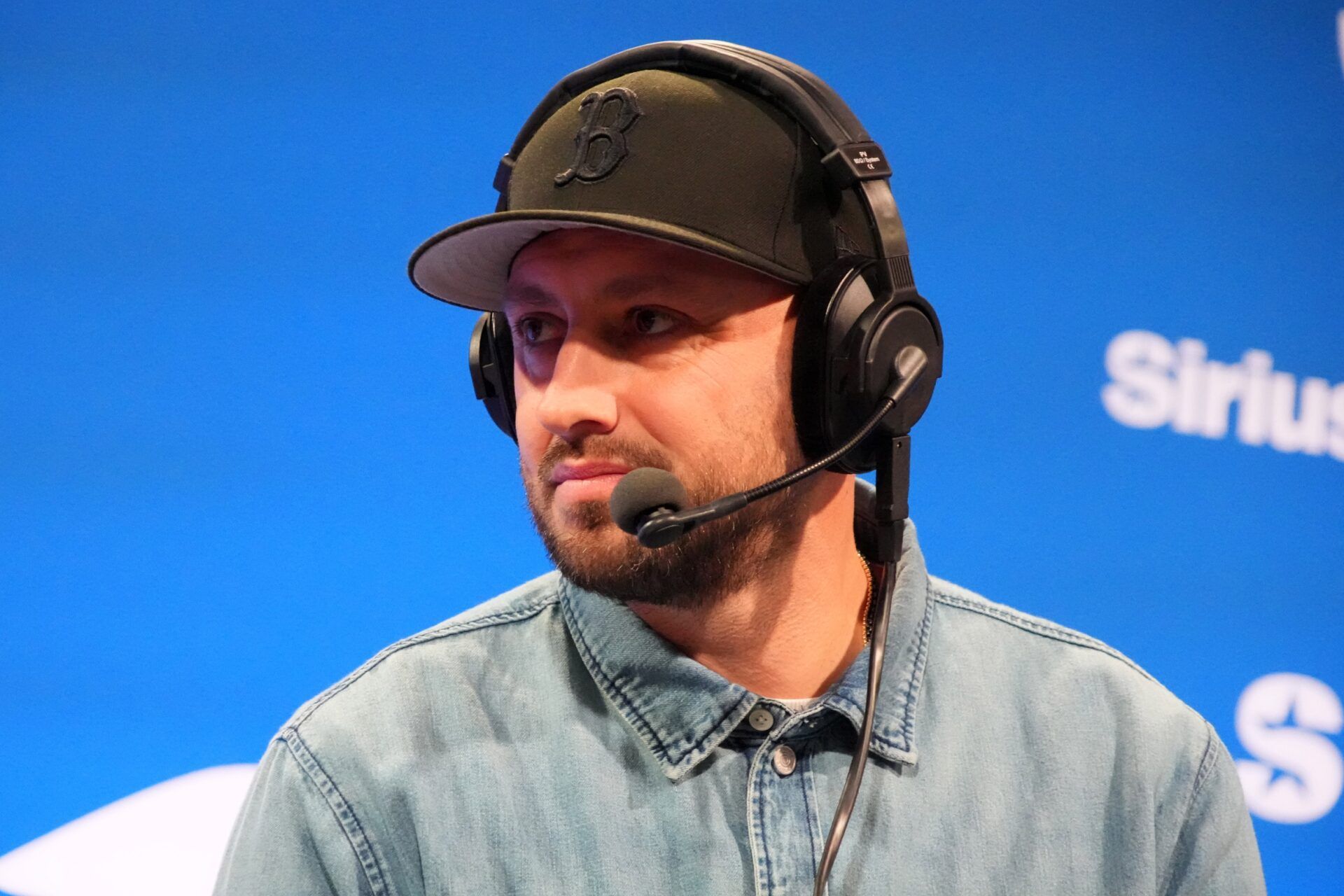
The NFL is expanding its oversight, and a Super Bowl champion is telling players to wake up to the new reality. Brian Hoyer recently sounded the alarm on SiriusXM regarding the league’s latest contingency plans involving replacement referees and an empowered replay center. The message is simple: you can no longer get away with extracurricular activities just because the official on the field missed the play.
Big Brother Is Always Watching the NFL Sidelines
With the collective bargaining agreement between the league and the NFL Referees Association set to expire on May 31, owners approved sweeping contingency rules for the 2026 season. If replacement officials take the field, the command center in New York will have unprecedented power to correct clear and obvious mistakes on uncalled fouls.
More importantly, regardless of a work stoppage, replay officials now have the authority to disqualify players for flagrant acts or non-football violations, even if no flag is thrown on the field.
Hoyer believes the expanded replay authority completely changes the dynamic on the sidelines. Players are accustomed to testing the boundaries when the officials’ backs are turned. That leniency is effectively gone.
“It’s, you know, you got big brother watching, so you better be careful about what you do when it comes to interacting with fans, interacting with, with other players, maybe pre-game, whatever it might be,” Hoyer told SiriusXM.
“You know, you look around, it’s like, it’s like being in the school yard. Are are the chaperones out? No, I I can, I can do this. Well, guess what? There’s cameras everywhere and if there’s someone back at league headquarters is, is paying attention to all of this, and they have the power to, to pull you outta the game, you know, that’s, that’s a possibility now. So you have to be on your best behavior.”
The primary cause for this specific rule change traces back to Week 16 of the 2025 season. Pittsburgh Steelers receiver DK Metcalf engaged in a physical and verbal altercation with a heckling fan in Detroit. The on-field officials missed the interaction, allowing Metcalf to stay in the game and help the Steelers secure a crucial victory.
The league eventually suspended Metcalf for two games, but the delay in punishment forced the competition committee to close the loophole. For Hoyer, the Metcalf incident is the exact scenario this new policy targets. The league refuses to let players administer their own justice on the sidelines without immediate consequences.
“I guess to me, when I think of that DK Metcalf situation, that to me is where this really comes into play,” Hoyer added. “It’s not, has to do with anything going on in the field.”
How NFL Players Are Navigating Sidelines Without a Safety Net
While Hoyer understands the reasoning behind policing fan interactions, he has reservations about the league over-managing the game from a control room in Manhattan. Adding replacement officials to an already complex rulebook threatens to slow the game down and blur the lines of responsibility.
“But like I said, uh, for me, the referees, they have to, they have to worry about what’s going on between the, the white line,” Hoyer said. “So if you’re gonna have this, this option, this to me has to do with non-playing, non, uh, on field, uh, violation, so to speak.”
BE AN NFL GM: PFSN’s Ultimate GM Simulator
The prospect of replacement referees inherently brings anxiety to locker rooms across the league. The last time the NFL used replacement officials to start the 2012 season, it resulted in the infamous “Fail Mary” between the Green Bay Packers and Seattle Seahawks.
It also compromised player safety, with several dangerous hits going unpenalized.
Hoyer sees the empowered replay center as a necessary stopgap for extracurriculars but acknowledges the messy reality of the current labor dispute.
“Yeah, we already have a referee issue, as you mentioned before, cutting off negotiations,” Hoyer noted. “Now you’re having to deal with replacement referees, eye in the sky, all of those things. So, uh, to me, this is, this is a move strictly for something that’s going on on the sideline. Maybe something that’s going on pre post-game when the referees really aren’t responsible for making that call.”
The league clearly wants to prevent another embarrassing sideline incident from slipping through the cracks. Players can no longer rely on the chaos of the game to mask poor decisions or brief lapses in judgment. The cameras are rolling, New York is watching, and the margin for error just vanished.
