
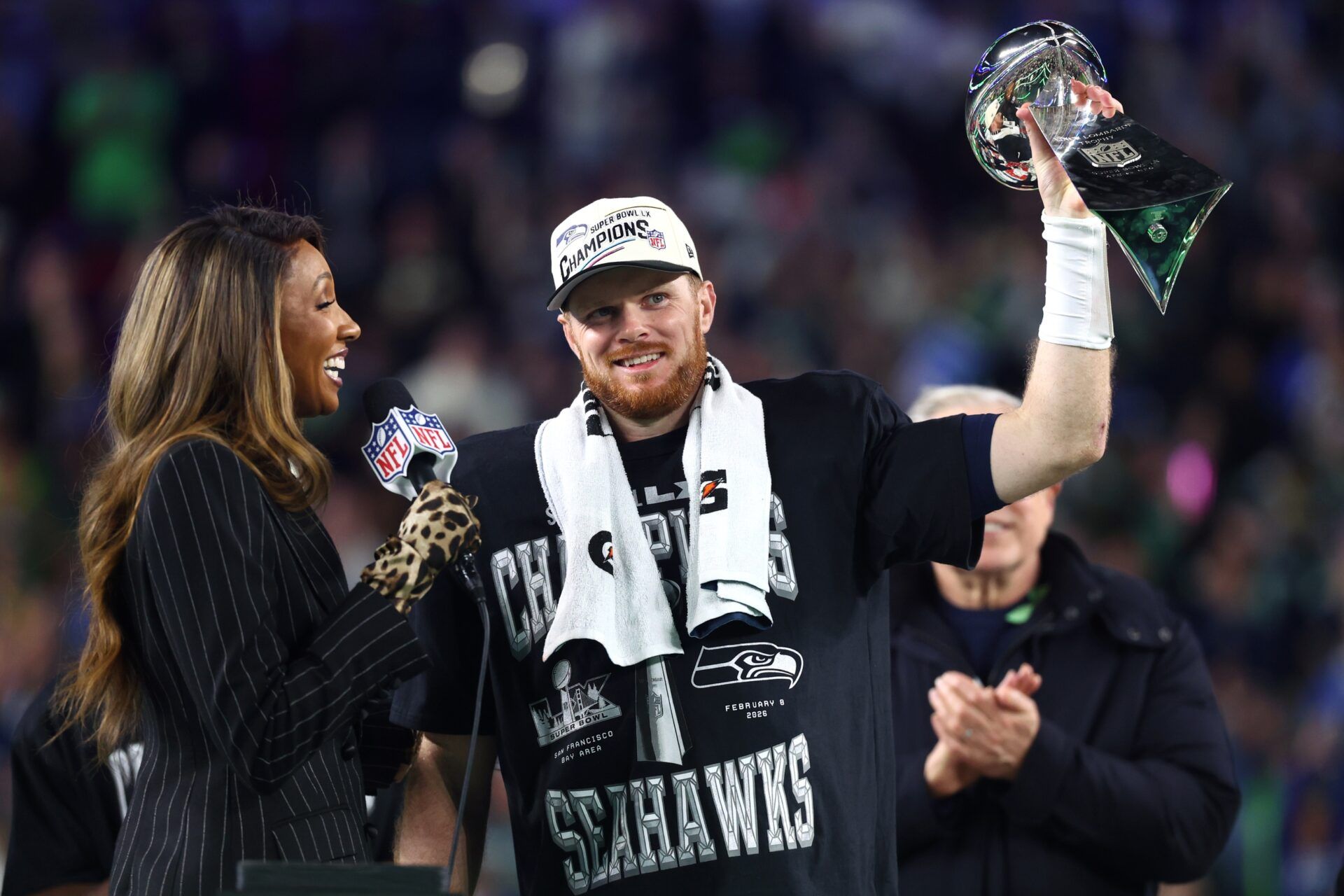
The Seahawks’ Super Bowl 60 win has pushed one of the NFL’s strangest running patterns back into the spotlight. For the third time this century, a papal conclave has been followed by a season in which Seattle surges to the top of the NFC, locks up the No. 1 seed, and reaches the Super Bowl.
The franchise has now turned that quirky “Pope Theory” from a local curiosity into a fully formed three‑season trend that spans two decades and two Lombardi Trophies.
What is the Pope Seahawks Theory? Seattle’s Super Bowl Win Completes Bizarre Trend
At its core, the Pope Seahawks Theory is about timing. Since 2000, every time the Catholic Church has elected a new pope, the Seahawks have answered with one of the best seasons in franchise history: at least 13 regular‑season wins, the NFC’s top seed, and a trip to the Super Bowl. That has now happened three times: in 2005, 2013, and 2025.
The first data point came in 2005, the year Pope Benedict XVI was chosen. That fall, Seattle went 13-3 in the regular season, finishing ahead of the Chicago Bears for the NFC’s No. 1 seed. Led by league MVP Shaun Alexander and Mike Holmgren on the sideline, the Seahawks rolled through the conference playoffs, beating Washington and the Carolina Panthers by double digits to reach Super Bowl 40.
The run ended with a loss to the Pittsburgh Steelers in Detroit, but it marked the franchise’s first Super Bowl appearance and set the template: new pope, 13‑win Seattle team, No. 1 seed, Super Bowl berth.
The pattern held eight years later. In 2013, after Pope Francis was elected, Seattle again stacked a 13‑3 regular season and wrestled the NFC West from the San Francisco 49ers. Once more, the Seahawks claimed the conference’s top seed. This time, the finish was emphatic.
Behind a historically dominant defense and a young Russell Wilson at quarterback, Seattle crushed the Denver Broncos 43-8 in Super Bowl 48 at MetLife Stadium, delivering the first Lombardi Trophy in team history and pushing the Pope Theory to two-for-two.
The third chapter has unfolded over the last year. In 2025, Pope Leo XIV was elected, giving the Seahawks a fresh opportunity to test the trend. They answered with their strongest regular season yet in a “Pope year.”
With the 17‑game schedule in place, Seattle went 14-3, edged San Francisco again in the division race, and finished ahead of the Bears in the conference standings for the No. 1 seed. The team then handled its NFC playoff path with minimal drama and returned to the Super Bowl for the third time in a papal‑election season.
Local outlets had already framed the numbers as the “Pope Theory” before the postseason began, laying out the simple math for fans: three new popes this millennium, three Seahawks seasons that fit the same profile, and three Super Bowl trips.
Super Bowl 60 completed the loop in a way the earlier examples did not. Seattle’s 29-13 win over the Patriots at Levi’s Stadium gave the franchise its second Lombardi Trophy and improved the Seahawks’ record in papal‑election Super Bowls to 2-1.
The 2005 team came up short against Pittsburgh, while the 2013 group routed Denver. This year’s squad combined elements of both earlier runs: the regular‑season dominance of 2005 and the decisive championship finish of 2013.
Even those who enjoy the theory acknowledge it has limits. The conclave doesn’t guarantee a title; it has simply coincided with seasons when Seattle’s roster, coaching, and schedule have all clicked at once.
The 2005 Seahawks reached the game but couldn’t finish. The 2013 and 2025 teams did. The papal thread sits atop more concrete football factors: elite defenses, top‑tier quarterback play, and, in each of those years, a path to the No. 1 seed that ran through a strong NFC West.
Still, the coincidence is now impossible to ignore in Seattle. Three popes, three deep playoff runs, two championships, and a clean, repeatable pattern that stretches across eras and coaching staffs.
Whether fans treat it as superstition, destiny, or just a fun trivia note, the Pope Seahawks Theory has gone from an internet joke to one of the most oddly consistent storylines attached to a modern NFL contender.
