
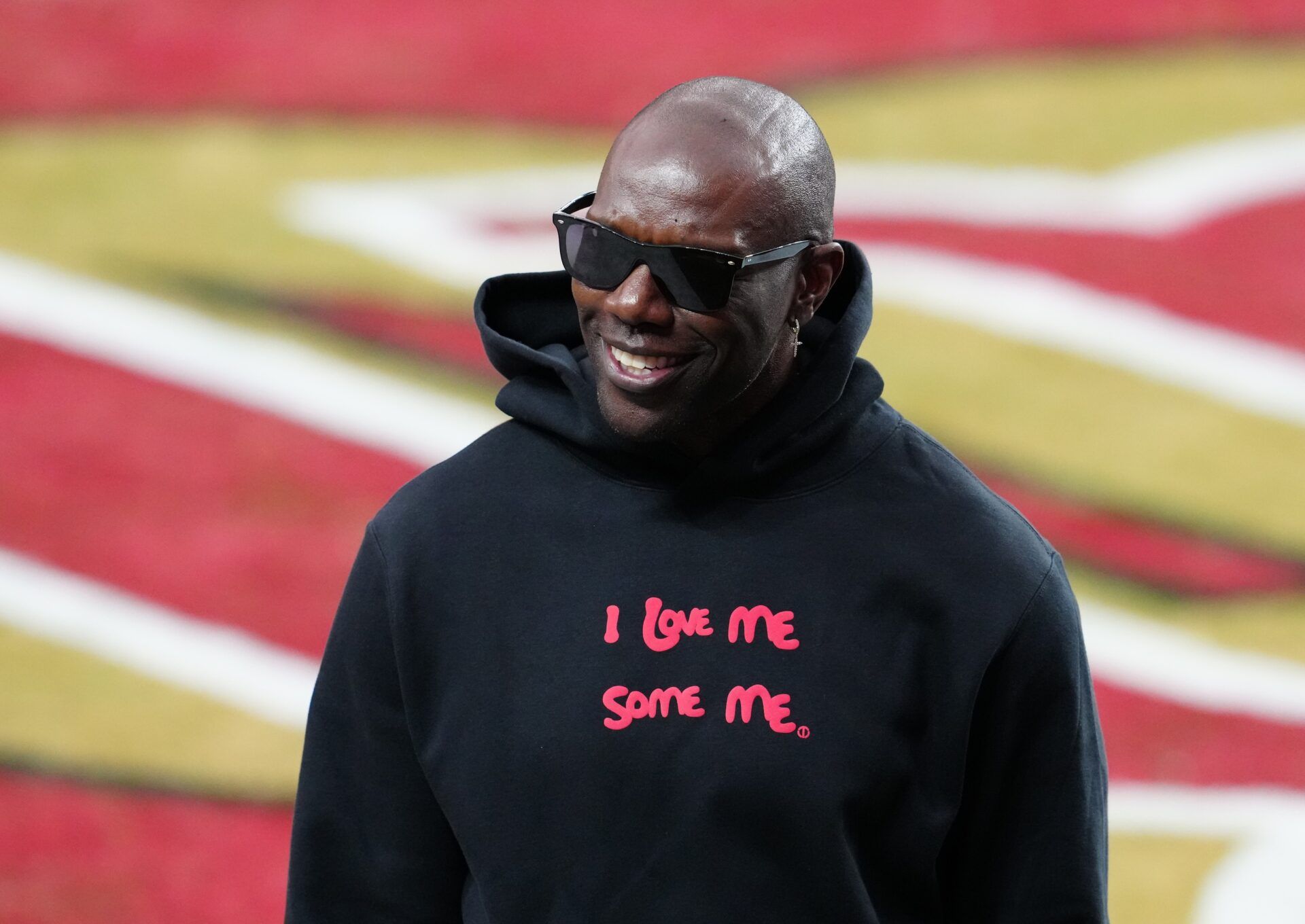
Terrell Owens is not buying the national panic that name, image, and likeness is “killing college football.” And he lays down his point of view with a rather sharp bluntness.
The Terrell Owens UNO Reverse Card
On Instagram Live with former Philadelphia Eagles receiver Freddie Mitchell, the Hall of Fame wideout treated the NIL debate like a late correction, not a crisis. Colleges and coaches, Owens argued, spent decades building brands and balance sheets off athletes who were barred from earning a dime.
“Yeah, to an extent, no doubt. But I really don’t feel sorry, and I don’t know why everybody is making a big deal out of the NIL killing college football, because nobody was saying, none of this years back when all these colleges were making millions and billions of dollars off these kids with your basis,” said Owens.
“It’s like everybody always used the term Uno. I mean the UNO reverse card. That’s exactly what this is the nail these kids have put a given the college coaches and all these university the UNO reverse card.”
“That’s all it is, do I think there maybe should be some regulation on it, because it’s really getting out of hand.”
The Hall of Fame wide receiver added, “But look at all the years that all these colleges and universities, not I’m not talking about millions. They have made billions, billions with a B, from athletes that have basically put their schools, their their their colleges, their universities, on the map.”
“They sold merchandise, all types of stuff, promoted these kids. And just think about all these years that these kids didn’t get [A dime] some kids got the opportunity to make it to the next level, but a lot of them didn’t, and some of those kids that did it, they use them to promote brand and market the universities.”
“So again, kind of like a double-edged sword going on right now.”
Examples of the New Market With NIL
Owens’ “reverse card” framing lands because the numbers now attached to college rosters are no longer whispered. They are discussed as free agency, even when the sport insists it is not.
In Indiana, Mark Cuban’s reported NIL support for the Hoosiers has been held up as proof that deep-pocketed alumni can change a program’s trajectory fast.
Earlier this month, quarterback Brendan Sorsby, ranked as the top player in the transfer portal, committed to Texas Tech after a reported NIL package worth $5 million for the 2026 season.
At Washington, quarterback Demond Williams Jr. sparked a different kind of NIL headline when a reported deal and transfer portal decision collided, then reversed course. It was a public reminder that the new money is creating new disputes and new expectations for what a promise actually means.
The shift is not limited to boosters and collectives. Nike and LSU announced a long-term partnership extension that also launches Nike’s Blue Ribbon Elite NIL program, another sign that national brands see the new landscape as a formal business lane, not a loophole.
Where The Debate Goes Next
If Owens is right, the sport is not being ruined. It is being billed.
The sharper question is whether college football can keep selling tradition while operating like an open market. One week, the conversation is about alumni funding.
The next is about what happens when a major booster’s finances wobble, and NIL commitments become harder to trust.
Owen’s point about regulation is the part that matters most going forward. The sport has shifted from a moral argument to a governance problem, and the people most affected are still the players, coaches, and fan bases trying to keep up.
NIL did not create greed in college football. It exposed it, then redistributed it.
