
Many fans don’t realize that the NFL’s overtime rules change depending on whether a game is played in the regular season or the playoffs.
That distinction came into sharp focus when even the San Francisco 49ers appeared unclear on the updated overtime format during Super Bowl 58. Below is a clear breakdown of how NFL overtime works, the differences between regular-season and postseason rules, and what happens if a game remains tied after the first extra period.

NFL Overtime Rules for Playoffs
Obviously, there can’t be any ties in the postseason, so a new overtime period will begin when the first ends. Play will continue until a winner is determined.
Here’s a breakdown of the NFL’s overtime rules for playoff games:
- If the score is still tied at the end of an overtime period — or if the second team’s initial possession has not ended — the teams will play another overtime period. The play will continue regardless of how many overtime periods are needed to determine a winner.
- There will be a two-minute intermission between each overtime period. There will not be a halftime intermission after the second period.
- The captain who lost the first overtime coin toss will either choose to possess the ball or select which goal his team will defend, unless the team that won the coin toss deferred that choice.
- Each team will have an opportunity to possess the ball in overtime.
- Each team gets three timeouts during a half.
- The same timing rules that apply at the end of the second and fourth regulation periods also apply at the end of a second or fourth overtime period.
- If there is still no winner at the end of a fourth overtime period, there will be another coin toss, and play will continue until a winner is declared.
How Does Overtime End in the Playoffs?
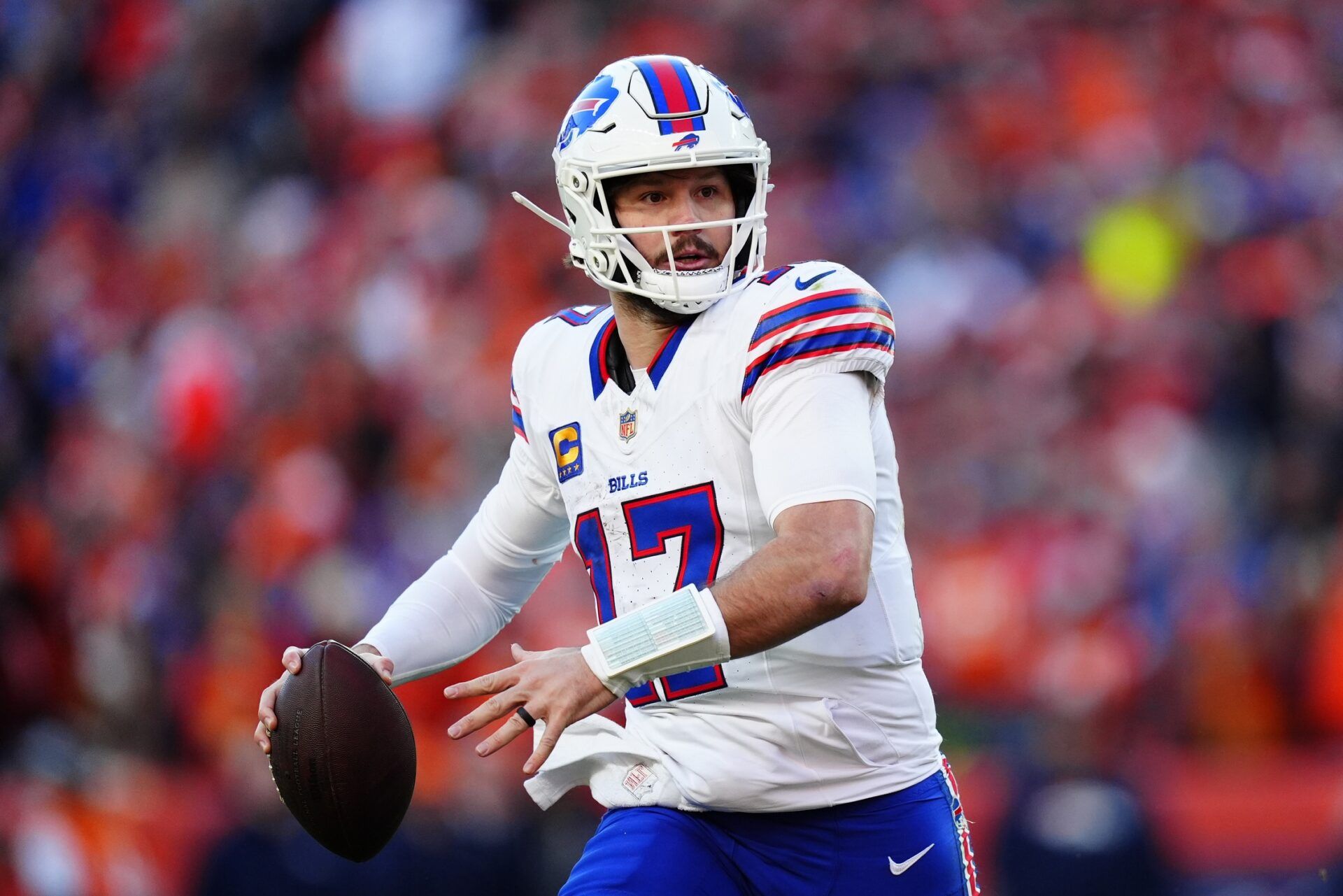
Previously, the team that won the overtime coin toss could end the game on its opening possession. That is no longer the case. The shift traces back to the 2021 postseason thriller between the Buffalo Bills and the Kansas City Chiefs, a game that concluded without Buffalo ever touching the ball. The ending drew heavy criticism and ultimately prompted the National Football League to amend its playoff overtime rules.
Under the current postseason system, both teams are guaranteed at least one offensive possession before a winner is determined. The coin-toss winner usually elects to receive first. If that team scores a touchdown, the opposing side still gets a chance to answer. If the receiving team fails to score, the game ends immediately.
If the team that wins the coin toss opens overtime with a field goal, the opposing team can immediately win the game by scoring a touchdown on its possession. Once both teams have had the ball, overtime then moves to sudden death, with the next score deciding the outcome. Put simply, a field goal on the first drive no longer ends the game.
The updated format also adds a strategic layer. Because each team is guaranteed a possession, the coin toss winner may opt to defer and play defense first. Doing so allows that team to know exactly what is required on its drive, whether that means scoring a touchdown, kicking a field goal, or simply preventing the opponent from scoring to force sudden death.
NFL Overtime Rules for Regular Season Games
Overtime begins when the game is tied at the end of regulation. Since many games each season are decided by a single score (eight points) in the fourth quarter, it’s essential to understand the overtime rules.
The NFL set a guideline of rules outlining exactly how the overtime period works:
- At the end of regulation, the referee will toss a coin to determine which team will possess the ball first in overtime. The visiting team captain will call the toss.
- Overtime begins after a three-minute intermission and consists of a single 10-minute period. Both teams are guaranteed at least one possession, unless the kicking team scores a safety on the receiving team’s opening drive, ending the game immediately.
- Once both teams have had possession, if one team leads, that team is declared the winner. If the first team fails to score on its opening drive, or if the score remains tied after each team’s possession, the next score, by any method, wins the game.
- Each team gets two timeouts.
- The point after try is not attempted if the game ends on a touchdown.
- The replay official initiates all replay reviews, as coaches’ challenges are not permitted.
How Does Overtime End in the NFL?
After initially having 15 minutes in overtime, the NFL changed the period’s length in 2017 to just 10 minutes.
Earlier, if the team that received the ball first scored a TD on its opening drive, the game automatically ended, and the scoring team won. The point-after try was not attempted, and the score remains as is and becomes final.
The rule drew heavy criticism because the team that opened overtime was determined by a coin toss. Many felt the format gave the team with the first possession an inherent advantage, leading to widespread claims that the system was unfair. That backlash ultimately led to the implementation of a revised overtime rule in 2025.
MORE: 2026 7-Round NFL Mock Draft
Overtime has not always operated this way. The format was previously adjusted in 2012, and before that change, a team could win simply by marching down the field and kicking a field goal on the opening drive.
Finally, if the score between the two teams remains tied at the end of overtime in the regular season, the game will be declared a tie.
While the scoring rules themselves remain unchanged, there are several key differences between regulation and overtime in the National Football League. Each team is limited to two timeouts in overtime, and coaches may not challenge plays. Instead, only the replay official has the authority to initiate instant replay reviews.
Can an NFL Game End in a Tie?
Yes, there are ties in the regular season. However, he only time an NFL game cannot end in a tie is during the postseason, as additional overtime periods will be played until a winner is determined.
