
Some players saw their US Open dreams get flipped overnight. When tournament officials dropped news of a brand-new mixed doubles format, nobody was sure how the stars would react. Eric Butorac, the US Open’s Senior Director of Player Relations, faced the fallout firsthand. Would doubles veterans get squeezed out? Would the singles stars steal the show? Most of all, could this really bring more excitement to the tournament everyone is watching?

How Did Tennis Players React to the Mixed Doubles Changes at the US Open?
Butorac, who won 18 doubles titles during his career, opened up about how the new format landed with players on the “Nothing Major Show,” a podcast hosted by Sam Querrey, John Isner, Steve Johnson, and Jack Sock. “February was when we made our first announcement to the tours,” Butorac said when asked about the response to such a big change. He explained that meetings with player councils, representatives, and tour CEOs turned the news into one of the hottest topics among players.
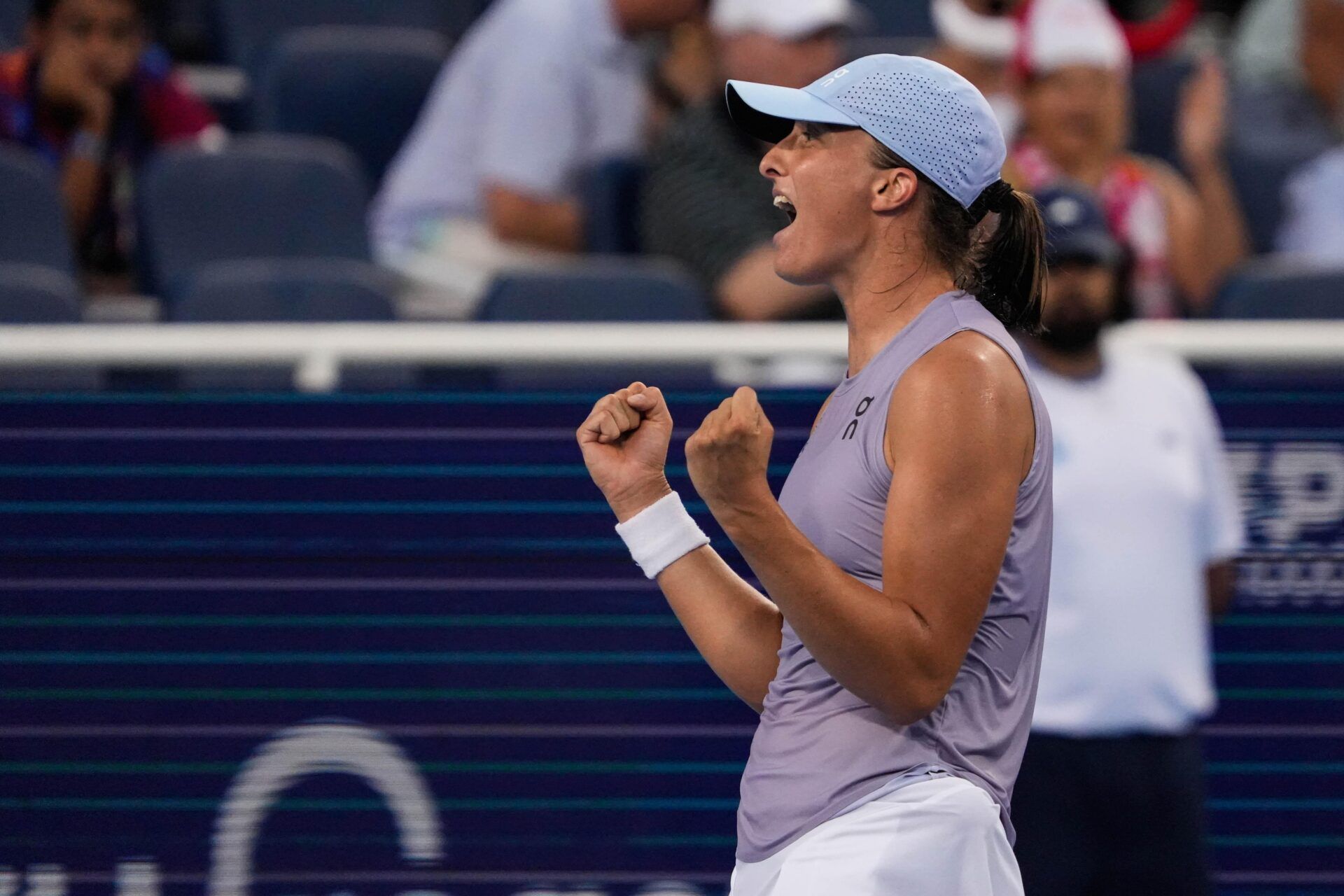
That buzz led to split opinions. Butorac described reactions as “mixed.” For some, the changes were an instant draw. Iga Swiatek and Casper Ruud jumped at the chance and became one of the first pairs to sign up after hearing about the new format.
With their partnership, Swiatek and Ruud rolled to two straight wins and locked down a spot in the semifinals. Butorac remembered, “Within a day of us announcing the format, players were already pairing up. I think, like, Swiatek and Ruud paired up in the first 12 hours that anyone got wind of this.”
Why Were Doubles Players Frustrated By the New Mixed Doubles Format?
This year, the US Open’s mixed doubles event features just sixteen teams. Eight get in based on combined singles rankings. The other half are wildcards. That setup gave singles players the inside track, while many doubles specialists worried about being pushed out.
Last year’s mixed doubles champions, Sara Errani and Andrea Vavassori, didn’t hold back. They called the new schedule a “profound injustice.” Even though they eventually got a wildcard, their frustration echoed through the locker room. Butorac shared that plenty of doubles players reached out, many during the big 1000-level event in Indian Wells, California. “Many of them have my cell phone, and many of them called,” he recalled.
Butorac gets why they were upset. “I understand doubles players’ concerns. I lived that life, and I had a lot of really good conversations with people. I don’t think they liked what we did.”
On the other hand, after conversations about the plan to grow the sport and put fans first, some players began to see where US Open officials were coming from. “That was really the best place that we could land with that group of players,” Butorac said.
The US Open continues to defend the changes. Organizers say they want top singles players in the mix, adding a $1 million prize for champions and moving the event ahead of the main draw on big courts. It’s a major shake-up, and everyone at the tournament is feeling the impact.
