
When President Donald Trump picked up the pen Thursday to sign an executive order on college sports, the reaction from NCAA headquarters wasn’t exactly celebratory. Instead, it was measured caution from an organization that’s heard plenty of promises.
Sports insiders are asking tough questions about whether this latest political move will actually change anything or just create more noise in an already chaotic landscape.
Why Is NCAA President Charlie Baker Skeptical of Trump’s Executive Order?
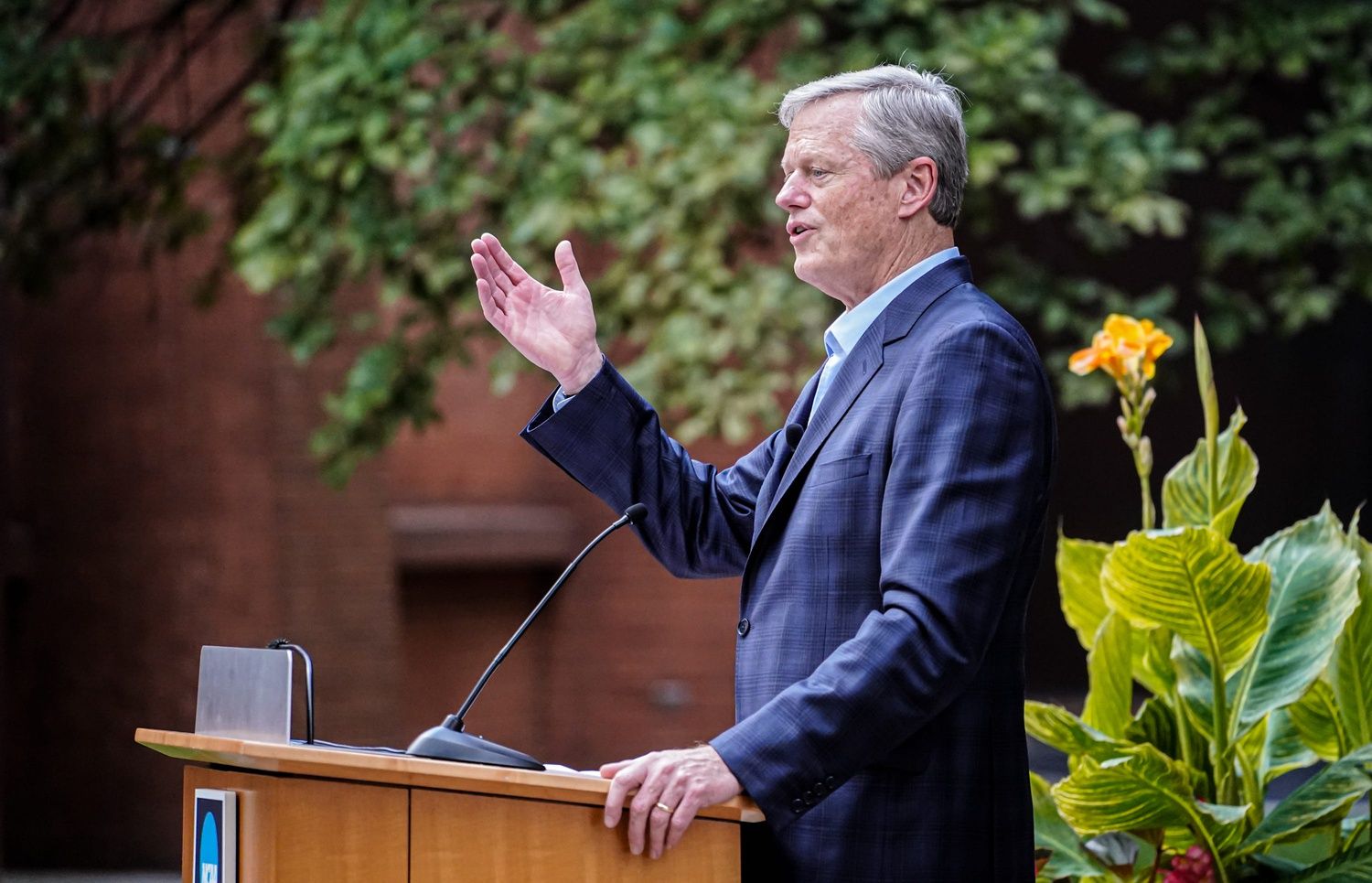
Soon after President Trump signed the executive order, NCAA President Baker responded, but not with much excitement. As a former Republican governor of Massachusetts, Baker has been a longtime critic of Trump and has never supported him politically.
Earlier on July 24, during a Q&A session in Washington, Baker clarified that the NCAA is focused on working with Congress. He believes that real, lasting change in college sports will only come through legislation, not executive orders that can be reversed by the next administration.
“The Association appreciates the Trump Administration’s focus on the life-changing opportunities college sports provide millions of young people, and we look forward to working with student-athletes, a bipartisan coalition in Congress, and the Trump Administration to enhance college sports for years to come,” Baker said.
Sports insider Ross Dellenger of Yahoo Sports echoed Baker’s stance during an appearance on The Paul Finebaum Show. He believes that while the executive order draws headlines, it does little to address college athletics’ deeper, more complex challenges.
Instant reaction from @RossDellenger :
“I wish I could tell you that (Trump’s executive order) was some groundbreaking thing and everything’s going to change in college sports after this…but I don’t think that’s the case.” pic.twitter.com/WxfjJIemE8
— Paul Finebaum (@finebaum) July 24, 2025
“I wish I could tell you that Trump’s executive order was some groundbreaking thing, and everything’s going to change in college sports after this. But I don’t think that’s the case,” Dellenger said.
The skepticism runs deeper than political differences. Several sports analysts are also raising eyebrows at the executive order. They ask a pointed question: Why should one conversation with Nick Saban steer national NIL reform?
KEEP READING: Top 25 Returning College Football Tight Ends: Eli Stowers, Jack Endries Highlight the Elite Talent
Sure, Saban’s coaching legacy is untouchable. But he’s also been openly critical of NIL. For many, that makes him an odd choice for shaping athlete compensation rules that affect hundreds of thousands of student-athletes across all sports.
Analysts argue the issue deserves broader input and deeper study, not just a sideline chat between Saban and Trump.
What Does Trump’s Executive Order Actually Do for College Sports?
President Trump directed the Secretary of Labor and the National Labor Relations Board to deliver updated rules that define how student-athletes fit into the college framework. These rules emphasize maximizing student-athletes’ educational opportunities through sports.
The executive order takes a hard line on recruitment tactics, banning third-party Name, Image, and Likeness (NIL) deals that act as lures for athletic talent. However, athletes can still profit from endorsements driven by market value.
This distinction matters because it separates legitimate marketing opportunities from what many see as thinly veiled pay-for-play schemes. Athletes can still sign deals with local businesses or national brands, but universities and boosters can’t use NIL as a recruiting weapon.
One of the order’s more watched moves involves potential reclassification. It calls for fresh guidance on whether student-athletes should be treated as university employees. While no formal decision has landed yet, federal involvement marks a growing interest in regulating the athlete-university dynamic.
The financial requirements pack more punch. Schools earning over $50 million annually from athletics must now preserve or increase scholarship funding, particularly for women’s and lesser-known sports. Expectations for powerhouses earning over $125 million are even higher. More scholarships for non-revenue programs are now part of the federal playbook.
A final clause offers institutions antitrust protection. It shields them from lawsuits related to NIL conflicts, a move likely to stir debate across the collegiate landscape.
But here’s the reality check: What will happen next with the executive order remains uncertain. Unlike laws passed by Congress, executive orders don’t carry the same legal weight and can’t override existing legislation.
Even if federal agencies choose to act on it by creating new policies, those actions likely face immediate legal challenges. This casts doubt on how much, if anything, the order will actually change in the day-to-day world of college athletics.
