
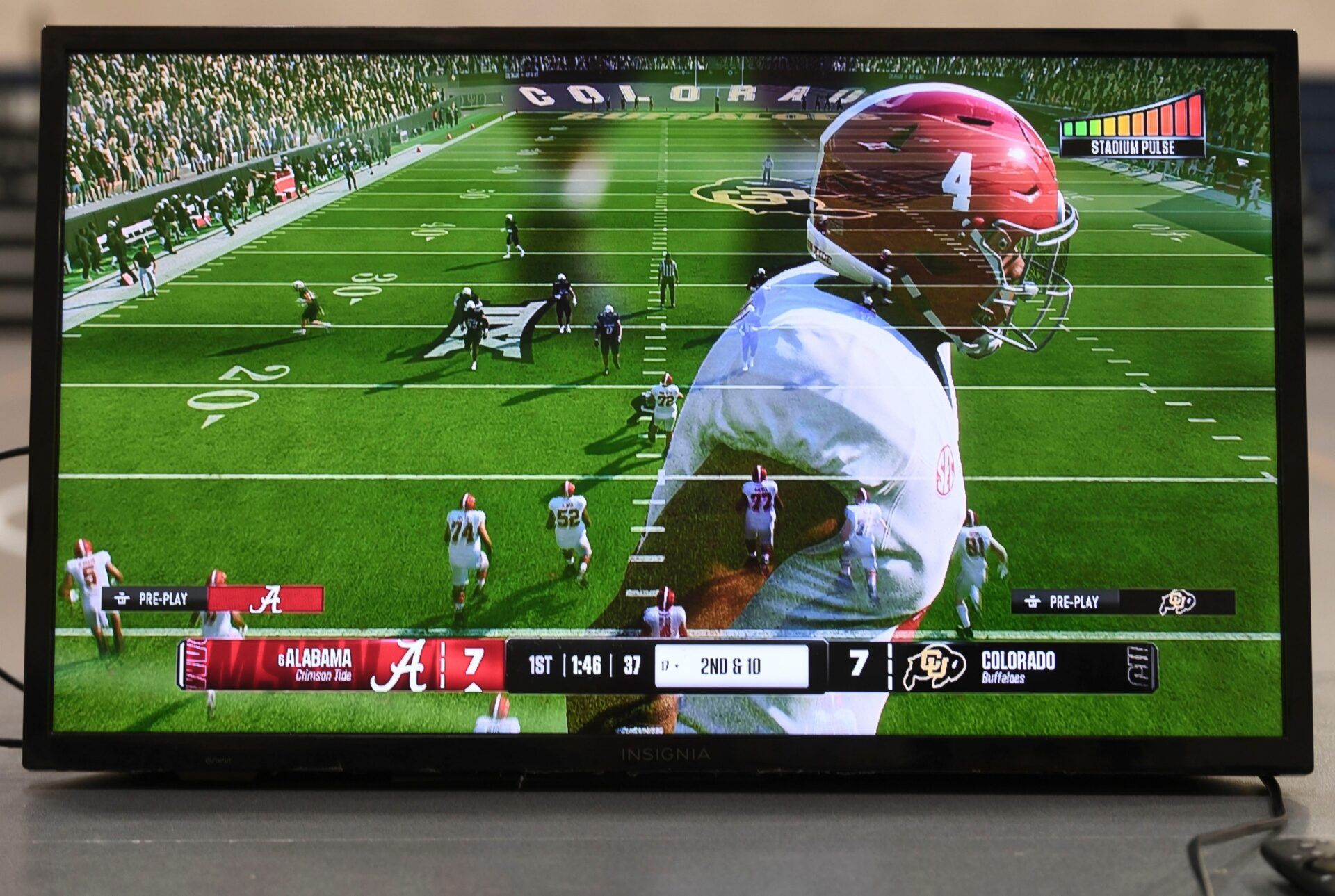
EA Sports thought they had a winner with College Football 26’s early access launch. Instead, they’ve got a full-blown controversy on their hands. One ranking has fans more fired up than any virtual crowd could ever be.
Why Are Fans Furious About EA’s Stadium Pulse Rankings?
With the early access version of College Football 26 now released, fans are just days away from the game’s full global launch. But before its official debut, EA Sports faces growing backlash over its list of the 25 toughest stadiums to play in.
The rankings are part of the game’s new “Stadium Pulse” system, which simulates crowd noise, visual effects, and pressure for visiting teams. The developers promise that this feature affects gameplay in real time. Away teams may see disappearing play clocks, failed audibles, or receiver icons fading under intense crowd noise.
While the concept sounds exciting, many fans are raising serious questions about the list’s accuracy and fairness. One reviewer didn’t hold back, saying, “EA Sports once again came out with one of the worst rankings I’ve ever seen. EA Sports dropped their top 25 places to play, as in the hardest places to play in the new College Football 26 game. And there is a lot to unpack here.”
View this post on Instagram
What Makes These Stadium Rankings So Controversial?
The full list was revealed on June 24 as part of EA’s “Dynasty Deep Dive” feature rollout. The top five stadiums include Tiger Stadium (LSU), Beaver Stadium (Penn State), Ohio Stadium (Ohio State), Sanford Stadium (Georgia), and Bryant-Denny Stadium (Alabama).
However, several inconsistencies caught the attention of critics. Georgia’s Sanford Stadium, with the longest active home win streak, was ranked only fourth. Critics argued it should be ranked higher. Additionally, Kyle Field at Texas A&M, the largest stadium by capacity with 102,733 seats, did not even make the top 10.
KEEP READING: 1 Significant Question for Every Big 12 Football Team: Does Kansas State Have an Avery Johnson Problem?
The absence of Arizona State’s Mountain America Stadium was even more confusing to fans, who went 6-0 at home in 2024. Meanwhile, despite their modest home records, smaller venues such as NC State’s Carter-Finley Stadium and Oklahoma State’s Boone Pickens Stadium made the list.
EA maintains that factors like rivalry games, night settings, and historical crowd intensity were all included in the ranking formula. Still, the controversy has sparked intense debate just days before the game’s official release. It remains to be seen if the criticism will impact the game’s sales on July 10.
