
The modern-day NBA has undergone a major pivot over the past decade. Throughout the 2000s and early 2010s, free agency was seen as a main avenue for many franchises to upgrade their rosters. However, due to new regulations on the salary cap, max contracts, and player extensions, front offices are now more likely retain star players for the long term.
Now that fewer elite players are reaching true free agency, the trade market has become increasingly important. This shift has led to one of the league’s most prominent rule changes once again taking center stage. Dating back to the early 1980s, one NBA owner altered the course of NBA history in just a couple of offseasons.
The Stepien Rule Explained
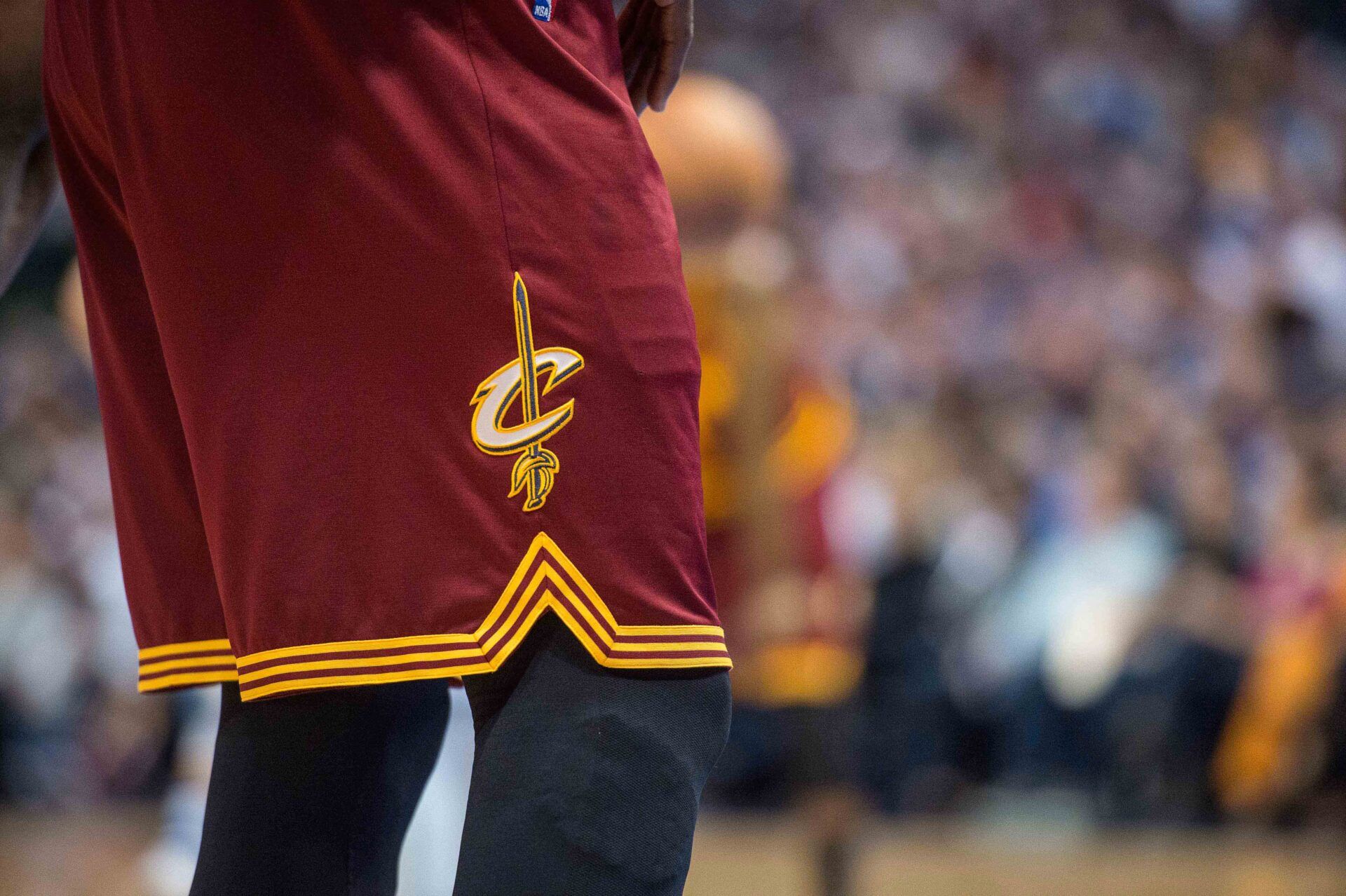
The main reason many teams do not have draft capital to trade for Milwaukee Bucks superstar Giannis Antetokounmpo is due to the Stepien Rule. Named after the Cleveland Cavaliers’ late owner from 1980 to 1983, Ted Stepien, this ruling was intended to save NBA franchises from themselves.
The former founder of Nationwide Advertising Service bought a majority stake in the Cleveland Cavaliers in 1980, which immediately led to a tailspin due to several impulsive, short-sighted decisions. Over a five-month span, Stepien dealt away first-round picks in the 1983, 1984, 1985, and 1986 NBA Drafts.
Most of these moves were for niche role players, but the picks that these teams received from the Cavaliers, in some cases, became future All-Stars. The most infamous deal came before Stepien was the owner, when the franchise sent multiple future firsts to the Los Angeles Lakers for Don Ford and a pick that became two-year pro Chad Kinch.
The Lakers later used Cleveland’s 1982 first-round pick to draft legendary forward James Worthy No. 1 overall. Other picks were shipped to the Dallas Mavericks for players such as Geoff Huston, and in smaller deals with the Philadelphia 76ers that brought back little long-term value.
None of the returns ultimately justified the cost, leaving the roster thin and talent-poor. Attendance subsequently cratered as the team went 66-180 during Stepien’s time as owner.
By 1982, the league was already alarmed by how quickly the Cavaliers’ future had been stripped away, and commissioner Larry O’Brien decided to formally intervene in 1983. Thus came the Stepien Rule to prevent another stretch of reckless asset dumping.
The rule prohibits teams from trading away their first-round picks in consecutive future years. Therefore, whether it’s their own pick or another franchise’s pick, every NBA team must always possess at least one first-rounder in every other draft.
This Rule Is Even More Significant in the Modern-Day NBA
Decades later, this rule is taking on even more prominence and quietly shaping nearly every blockbuster trade discussion. When fans wonder why a team cannot just throw in another first, the Stepien Rule is usually the reason, as it forces complex trade structures, such as pick swaps, and draft-night maneuvering to work around the restriction.
Trade protections for draft capital and conversion clauses still offer moderate workarounds for franchises to avoid this regulation. However, when teams mortgage a significant number of their future picks in a blockbuster trade, they generally have to be more creative and carefully space them out over the years.
Despite the general frustration this rule has caused among win-now franchises, it is well-intentioned. It is not necessarily the NBA’s place to protect the teams from their own poor decisions, but the league clearly saw the Cavaliers’ management as a threat to its overall health.
