
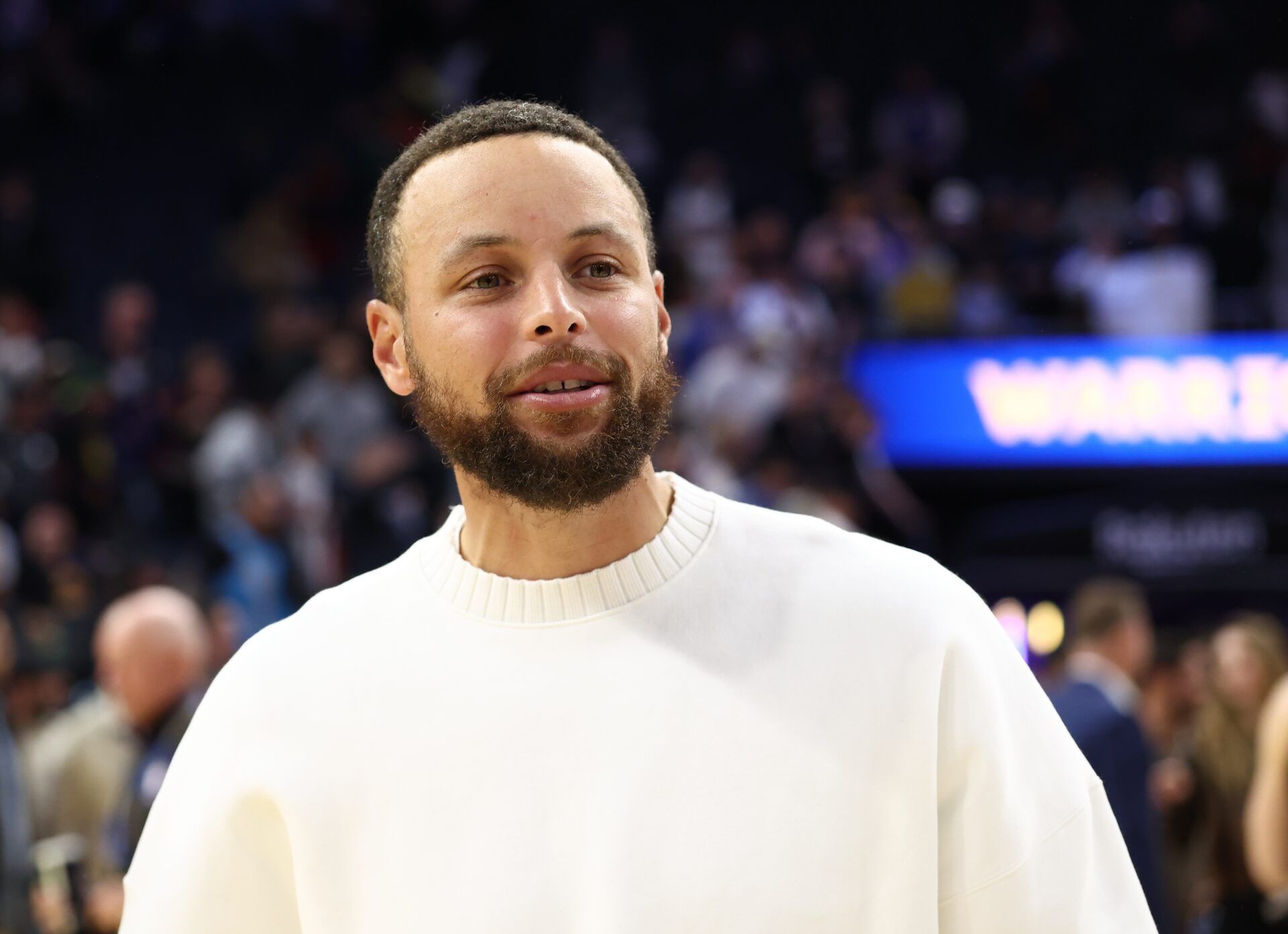
Stephen Curry has been through injuries before. Ankle sprains, hand fractures, and a broken finger that cost him an entire season in 2019-20.
But the runner’s knee that knocked him out of the Golden State Warriors’ lineup on January 30 against the Detroit Pistons turned into something entirely different, and the four-time NBA champion is now opening up about just how difficult the past two months have been.
Stephen Curry Set to Return Against Rockets On Sunday
With his return expected Sunday against the Houston Rockets, Curry sat down and shared his most candid account yet of what this particular absence put him through both physically and mentally.
“It was more of a mental thing at first, meaning I didn’t know, to your point, I didn’t know enough about it. And I thought I was gonna be out for a week, ten days max, let it calm down. And every time I got on the court, or tried to push it in that first month, there was always, I could call it a reaction, or you knew it just wasn’t healing as fast as you thought.
“So the patience then was tough just cuz it’s one of those injuries that you really just have to let rest. There’s nothing you can kind of push through or be on the court while it’s healing. And it’s just a different experience than most injuries that I’ve had that have like a very defined timeline and a very defined process of do this, then you’re gonna feel this, and then this is gonna heal, and then you’re gonna be able to do this, like all those checkpoints,” Curry added.
That description captures exactly why the absence stretched so much longer than anyone, including Curry himself, anticipated. He tried ramping up his workload multiple times throughout February and into March, and each time his knee responded with enough discomfort to push the return date further back.
Steph Curry details the knee injury that held him out 27 games
“I thought I was going to be out a week. Ten days max.”
“There is nothing structurally wrong with my knee. So it’s not like I’m compromised out there. It is a new normal, though.” pic.twitter.com/5ZIL6xyyJN
— Anthony Slater (@anthonyVslater) April 4, 2026
When asked directly whether there are any lingering structural concerns, Curry was honest about what he is managing going forward.
“Yes, and no, there’s nothing structurally wrong with my knee. So it’s not like I’m compromised out there. It is a new normal, though. I’m understanding what I need to do off the court to make sure everything around my knee is strong and firing the right way. I will take full advantage of the offseason whenever it is to have a full reset,” the Warriors reassured.
“And then you just kind of figure out what it looks like going into next year. But right now, I kind of understand what the new normal is. And it’s good enough to play,” Curry said.
The timing of the return matters enormously for Golden State. The Warriors are stuck in 10th place and will need to win two road play-in games just to reach the first round of the playoffs. That path, if it plays out, would almost certainly mean facing the Oklahoma City Thunder, the West’s top seed.
With or without Curry, that is a difficult mountain to climb. With him, at least the conversation changes. His presence alone reshapes how opponents have to prepare, particularly now that Kristaps Porziņģis is alongside him following the trade deadline deal that sent Jonathan Kuminga and Buddy Hield to Atlanta.
For Curry, now 38 years old and in the final stretch of a career that has already cemented his place among the all-time greats, Sunday represents more than just a return from injury.
It is a chance to give a season that has gone sideways, battered by Curry’s own injuries and Jimmy Butler’s, and Moody’s torn patellar tendon, some kind of meaningful ending. He has made clear he has no interest in being shut down.
