
Few things in basketball bring as much drama as overtime. The tension is sky-high, every possession matters, and legends are made in those final minutes. Think back to 1976 when the Boston Celtics and Phoenix Suns battled through triple overtime in Game 5 of the NBA Finals.
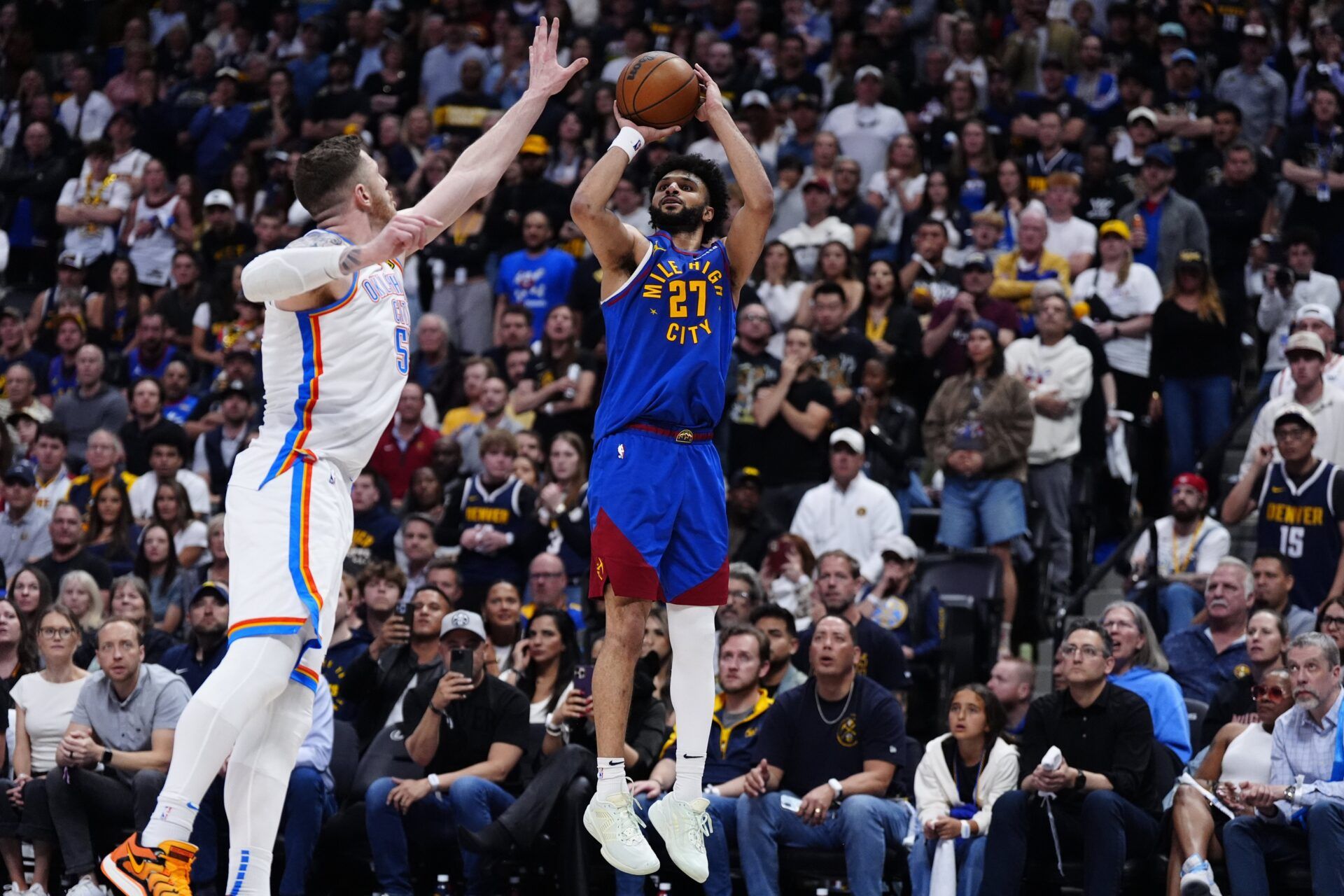
That game is still called “the greatest ever played.” Or remember 2013, when Ray Allen’s miracle three-pointer saved the Miami Heat in Game 6, forcing overtime and setting up a winner-take-all against the San Antonio Spurs? More recently, the Denver Nuggets outlasted the OKC Thunder in a wild overtime thriller in the 2025 playoffs.
These moments live on forever, but what exactly are the rules that govern overtime in the NBA? And do those rules change in the playoffs? Let’s break down everything you need to know about how overtime works in the NBA, from regulation ties to playoff marathons.

What Are NBA Regular Season Overtime Rules?
Overtime in the NBA kicks in when both teams are tied at the end of the fourth quarter. According to the official rulebook, there’s a short two-and-a-half-minute break before the extra period begins. Teams don’t switch baskets during overtime, since it’s treated as a continuation of the second half.
- Each overtime lasts five minutes.
- The action starts with a jump ball at center court.
- Teams get two timeouts each during an overtime.
- Personal fouls carry over from regulation.
- But team fouls reset. The first three team fouls are non-shooting fouls. After that, each additional foul leads to free throws. The opposing team gets possession of the ball at the nearest sideline, no nearer than the free-throw line extended.
- If a team commits fewer than three fouls in the first three minutes, they can still commit one foul in the last two minutes without giving up free throws.
- The 24-second shot clock and regular game clock rules apply. However, in the final two minutes of overtime, the clock stops after a made basket.
- During inbounds plays in the final two minutes, the ball can be thrown to either backcourt or frontcourt, but once it crosses half-court, it can’t go back.
Can Coaches Use Challenges in Overtime?
Yes, but there are limits. Instant replay review is only allowed during:
- A called personal foul on their team
- An out-of-bounds violation
- A goaltending or basket interference call
However, in the final two minutes of any overtime, goaltending and interference calls can only be reviewed if initiated by the game officials, not by the coach.
What Are NBA Playoffs Overtime Rules?
There’s no difference between regular-season and playoff overtime rules. Everything stays the same – five-minute periods, same foul limits, same timeout structure, and same replay regulations.
The only real difference? The intensity. Playoff overtimes tend to be more strategic, more physical, and, let’s be honest, more stressful. And since there’s no cap on the number of overtime periods, games keep going until someone finally wins.
How Does Overtime End in the NBA?
Overtime ends after five minutes, unless the teams are still tied. In that case, another five-minute overtime begins. The game continues in five-minute chunks until there’s a winner.
Unlike some sports, there’s no sudden death or golden basket. You have to outscore your opponent in a full overtime period to win.
Can an NBA Game End in a Tie?
NBA games can never end in a tie. Whether it takes one overtime or six, the game keeps going until someone walks away with the win.
