
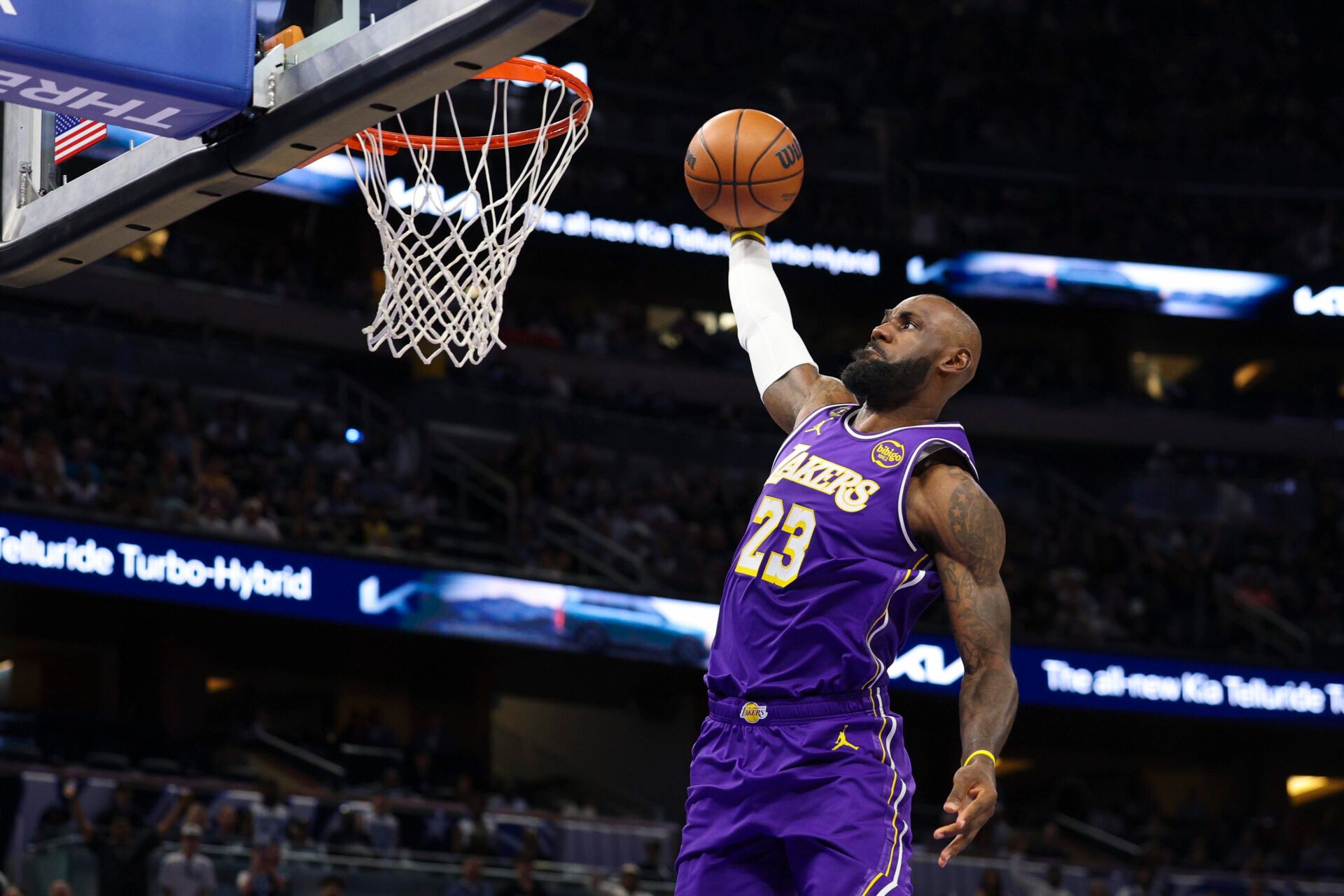
LeBron James’ Miami Heat tenure began with his name being dragged through the mud. The televised “Decision” in July 2010 turned him into the NBA’s most polarizing figure overnight, with Cleveland Cavaliers fans burning his jerseys and owner Dan Gilbert penning a scathing open letter calling his departure “cowardly.”
James arrived in South Beach as a villain, teamed up with Dwyane Wade and Chris Bosh, and guided the Heat to the 2011 Finals against the Dallas Mavericks. However, Miami lost in six games, and the backlash only intensified. Nearly 15 years removed from that turbulence, James opened up about what made an already brutal situation even worse.
How Media Pressure Impacted LeBron James During His Early Miami Heat Tenure
Speaking on the “Bob Does Sports” podcast, James reflected on embracing the villain role at just 25.
“I took the villain role because I let the media, and I was young, I was 25 years old,” James said. “A lot of people don’t understand that was the first time I’d ever left my home. Even when I got drafted by the Cavs, my first seven years with the Cavs, I still stayed in my hometown of Akron.”
His intentions with the televised announcement, he explained, weren’t about spectacle for spectacle’s sake.
“When I did the Decision and I made the announcement I was going to Miami, my whole mindset was like, I want to do something different. I wanted to treat it like a college. You know, when guys get their caps, I want to treat it that way, but also give an opportunity to give someone money back to Boys and Girls Club. We raised like $2.5 million, $3 million.”
But what followed caught him off guard.
“I didn’t know or feel like the hate that I got from that, the backlash from that, was going to happen because of how I felt of doing it,” James said. “I allowed the media, I allowed everybody to kind of put me in a dark place. And me playing basketball and me enjoying life in a dark place has never been me. Anybody who know me know I’m just a big a** kid, man. I love having fun. And I wore that black hat for a year.”
The weight of that mental burden showed up on the biggest stage. James averaged 17.8 points against Dallas, well below his standards, including an infamous 8-point effort in Game 4 that left critics questioning everything about him. Following the Finals loss, ESPN daytime programming openly suggested he should see a sports psychologist.
“The reason I played the way I played in the Finals is because I wasn’t me,” James said. But then it was James himself who put in conscious efforts to come out of that crater.
“Shed that black hat, shed that villain roll, like I’m gonna get back to my f**king self, and boom. We came in, balls to the wall, and was able to make it happen,” James said, referring to his back-to-back championships in 2012 and 2013. But the scars from that first Miami year clearly never fully healed.
As the 2025-26 season nears its end, James faces another Decision: whether to stay in Los Angeles, retire, or move on to grace some other team. For obvious reasons, rumors of a return to Cleveland for a storybook ending are trending high in those conversations.
