
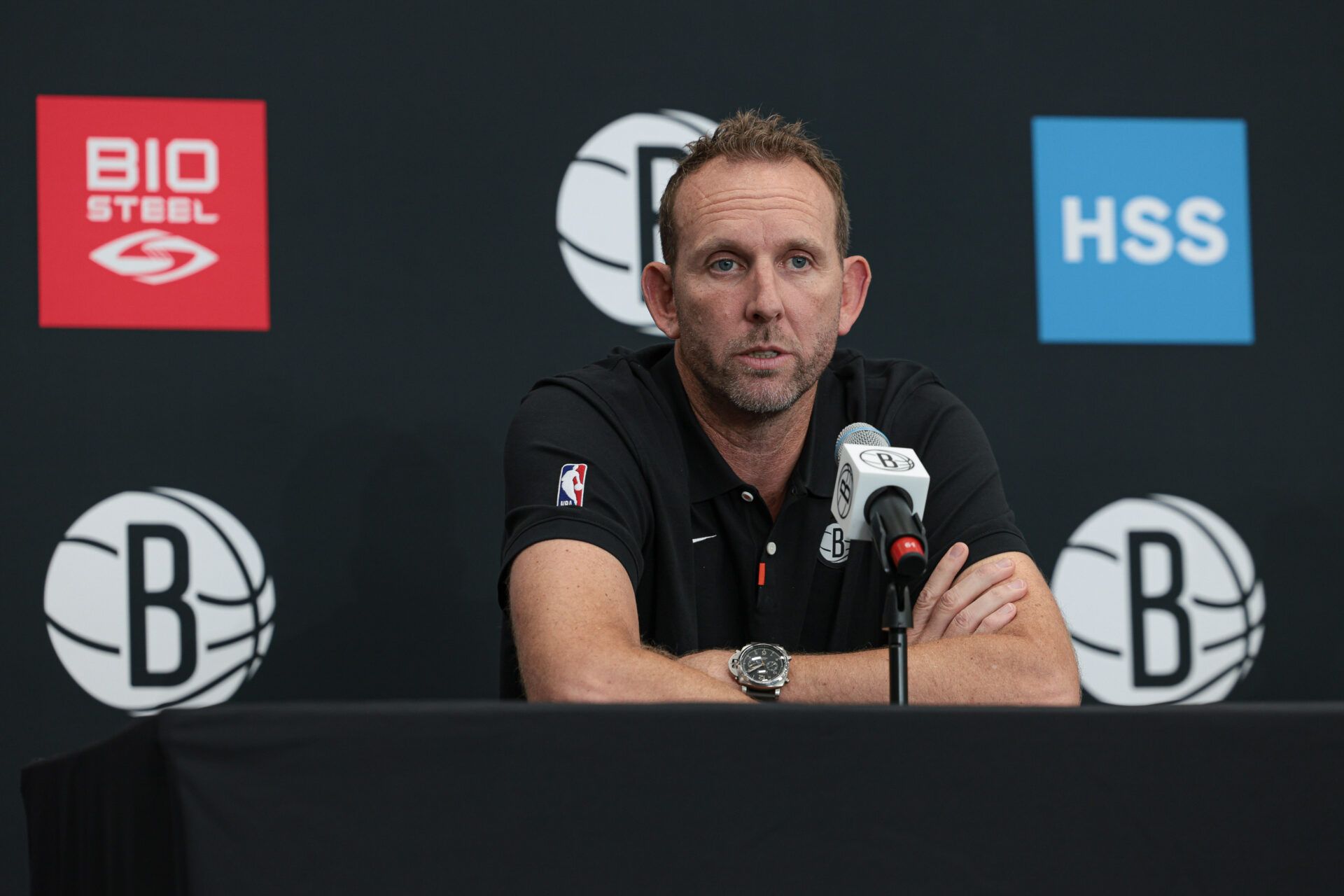
The Brooklyn locker room felt different last spring. Not just quiet after another disappointing finish, but empty in a way that suggested change was coming. After placing 12th in the Eastern Conference during the 2024-25 season, the mood in Brooklyn grew grim as reality set in: this wasn’t just a rough patch, it was the beginning of something entirely new.
Why Did the Nets Choose Patience Over Star Power?
The Nets’ 2024-25 campaign marked the official start of their rebuild, highlighted by trading away Mikal Bridges in a blockbuster deal that netted five first-round picks. Fans weren’t expecting a playoff run, but they also weren’t prepared for what came next: a complete commitment to the long game.
Entering this offseason, Brooklyn enjoyed over $40 million in cap space. With five first-round picks at their disposal, hopes emerged that GM Sean Marks would package these assets to acquire a star player. Instead, the Nets doubled down on their rebuild, taking the patient path that few franchises dare to follow.
This approach earned them a C grade in the latest offseason evaluations, largely due to their failure to land a major star. While the grade stings, it reflects a fundamental misunderstanding of Brooklyn’s current strategy.
How Did the Nets Make NBA Draft History?
Rather than packaging picks for established talent, Brooklyn made unprecedented history by selecting five players in the first round of the 2025 NBA Draft, the most by any team in a single draft. With this class expected to be particularly strong, the Nets went all-in on youth, accumulating five top prospects for a roster built entirely around tomorrow’s potential.
Laying the foundation.
Meet the Nets’ rookies in a new episode of SCOUT → https://t.co/OFOdPpML42 pic.twitter.com/73jN90EHn2
— Brooklyn Nets (@BrooklynNets) July 14, 2025
Beyond the draft, the Nets acquired two veterans this offseason: Michael Porter Jr. and Terance Mann. The Porter Jr. trade cost them Cameron Johnson but brought championship experience from his time with the Denver Nuggets. Porter will likely see increased usage in Brooklyn, setting up what could be a breakout campaign.
The Mann acquisition proved even more creative. Brooklyn used $19 million in cap space to absorb his contract while also receiving the 22nd pick in return. Neither Porter Jr. nor Mann qualifies as a superstar, but both players are entering their prime years, adding immediate competence to a roster overflowing with long-term potential.
What Challenges Will This Strategy Create for Coach Fernández?
Head Coach Jordi Fernández faces perhaps the most complex challenge in the NBA: developing five rookies while keeping veterans engaged and competitive. This aggressive rebuild presents a high-risk, high-reward scenario where even prospects who don’t pan out contribute to Brooklyn’s growing collection of draft capital.
The strategy requires extraordinary patience from a fan base that’s seen limited success since the move to Brooklyn. While hunger for a deep playoff run continues growing, supporters must embrace an entirely different timeline.
This rebuild represents more than roster construction; it’s a philosophical statement about sustainable success. With five rookies to develop and veterans positioned to mentor rather than carry, Brooklyn has chosen the difficult path that could eventually deliver the sustained excellence that has eluded them for years.
