
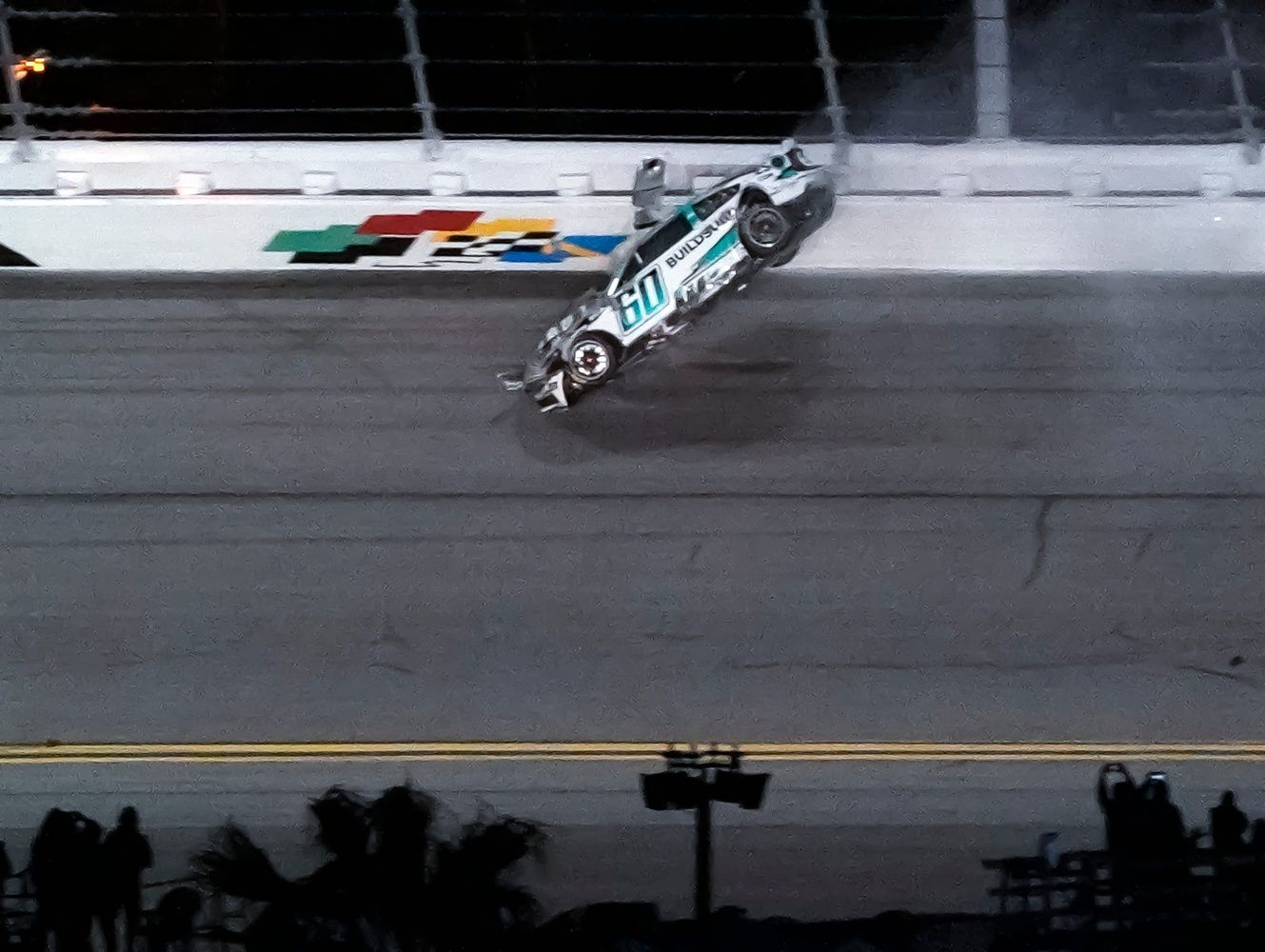
For nearly a decade, NASCAR’s postseason turned racing into a moral balancing act. The pressure was relentless, the margins unforgiving. Drivers weren’t only chasing trophies, they were trying to stay alive in a system where desperation often mattered more than restraint.
From Individual Moves to Team Manipulation: How NASCAR’s Format Pushed Drivers to the Edge
At the core of the debacle was the ever-controversial elimination-style postseason system. Elimination rounds compressed pressure into a handful of laps, forcing drivers into decisions that followed them long after the haulers left town. It wasn’t always about who was fastest. It was about who was willing to cross a line and which line still counted as acceptable
Austin Dillon’s night at Richmond Raceway in August 2024 brought that reality into sharp focus. The celebration barely had time to breathe before the justification arrived. Dillon admitted he hated how it unfolded, but believed he had no other choice.
In the space of one frantic lap, two competitors (Joey Logano and Denny Hamlin) were turned to claim victory, and a playoff berth was momentarily secured, only for NASCAR to step in and erase it days later. The moment wasn’t stunning. It was predictable. Another high-pressure system had produced another desperate outcome, exactly as designed.
In hindsight, elimination races created a dangerous equation. Race with restraint and risk going home, or force an outcome and deal with the fallout later. Joe Gibbs Racing’s Chase Briscoe admitted how often drivers were pushed into that corner, saying (via Racer.com),
“It made a lot of us do a lot of stupid things at times… It made you do things that you did not want to do or knew were probably not acceptable in any circumstance.”
The examples span years. Kevin Harvick’s Talladega wreck in 2015 raised suspicions during a green-white-checkered restart as he hovered near the cutline. Five years later at Martinsville, he wrecked himself and two-time Cup Series champion Kyle Busch in a last resort to advance, an effort that failed anyway.
Not to mention, Ross Chastain’s full-throttle wall ride at Martinsville in 2022, which became an instant highlight, but it also signaled how extreme the pursuit of advancement had become.
Not so long after, the desperation spilled into team tactics. Cole Custer’s penalized slowdown at the Charlotte Roval in 2022 altered the outcome of the elimination race. In 2024, Martinsville delivered another reckoning, with multiple Chevrolet drivers, including Chastain and Dillon, penalized for blocking to help William Byron advance. Christopher Bell’s disallowed wall ride only added to the sense that boundaries were no longer clear.
Drivers felt it. 2024 Cup champion and Team Penske ace Joey Logano called the format “a true test of what your morals are in the race car,” adding, “It was a hard place to be for all the teams of what’s acceptable.” Ryan Blaney had little patience for the justifications, saying, “That is the excuse that just grinds my gears most… It made it look like a demolition derby at times.”
Now, with NASCAR moving away from eliminations in 2026 and returning to a 10-race Chase, the hope is that those moments become rarer. Logano believes “that type of do-or-die moment isn’t going to be here as much.”
But Busch disagrees, “When you watch all the children that race all year long in the ARCAs and the late models and other things, and you see that stuff already, they’re taught from a very young age to dive bomb and run into them and door that guy.” He reflected, “Being a dad, I’ve heard those words, and maybe I’ve said those words once or twice. But I don’t think it’ll change a whole lot.”
Not everyone agrees that change is entirely reasonable. Dale Earnhardt Jr., for that matter, insists risk belongs in racing. Winning should always demand nerve. But the last playoff era demanded something else, compromise. As NASCAR resets its postseason, the question isn’t whether drivers will still push the limits. It’s whether they’ll be forced to move past themselves to do it.
