
Since NIL was legalized in 2021, some have argued that the term “student-athlete” no longer applies. College football players are now earning significant money for playing, leading many to view them as more like employees.
With the new House v. NCAA settlement allowing programs to pay their athletes directly, the employee argument is stronger than ever. While labeling college athletes as “employees” is often seen negatively, one SEC athletic director believes the sport should embrace the shift, given how much the game has evolved.
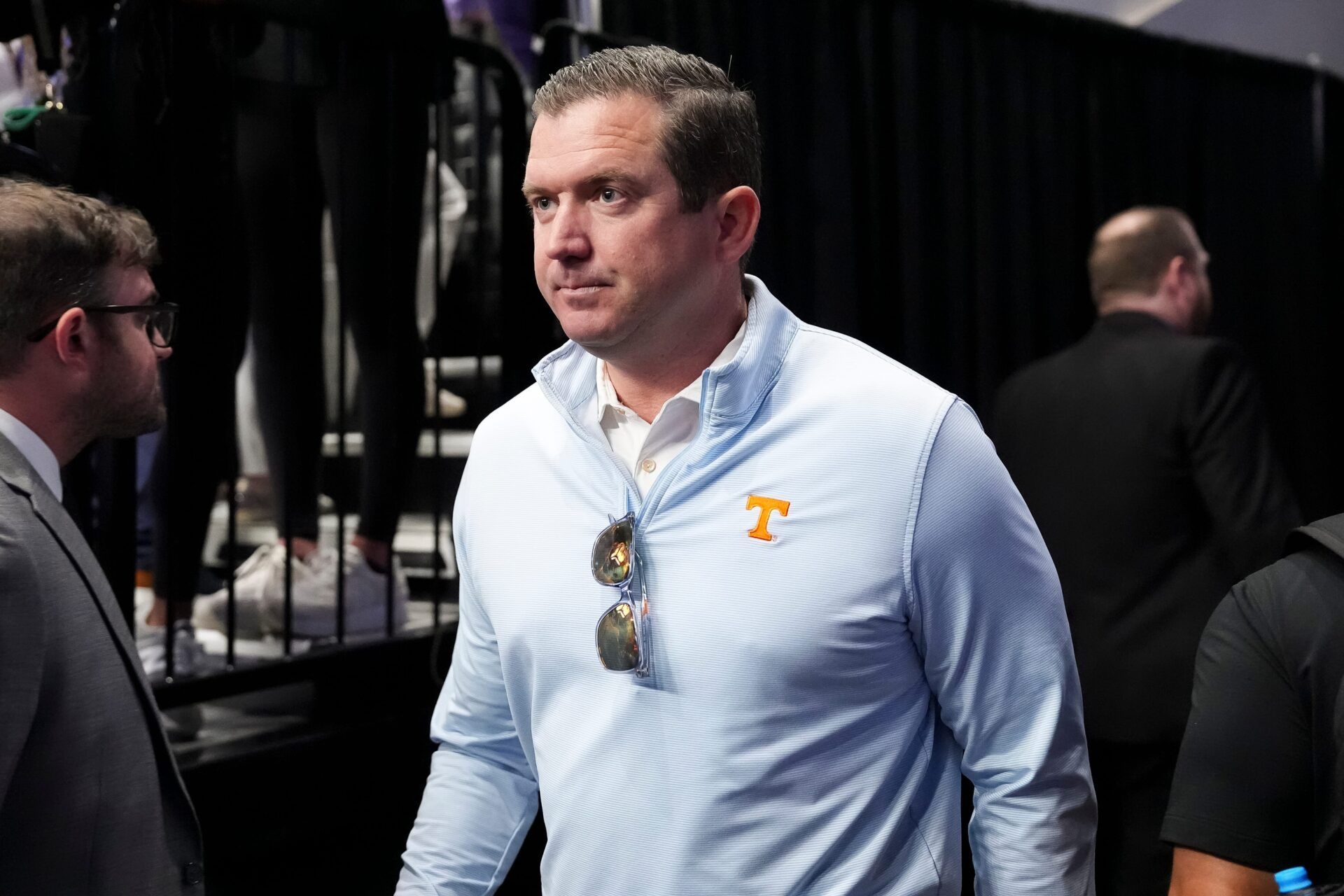
Tennessee AD Danny White Embraces Employee-Athlete Model in NIL Era
There have been plenty of ideas about how to fix the ever-evolving landscape of NIL in college football, especially under the new revenue-sharing model.
According to Yahoo Sports’ Ross Dellenger, Tennessee’s athletic director, Danny White, has been cultivating an idea for over two years.
White believes that the college football world needs to embrace the idea of its athletes being considered employees, rather than running away from it.
How exactly could the college football world embrace this, while making it fair for both the programs and the players? White believes a collective bargaining agreement (CBA) between a national employment organization and a players’ association could be the key.
As college sports enters its most transformative era, many power league ADs are urging leaders to explore collective bargaining.
They are attending CBA presentations & one SEC AD reveals his “athlete-employee” plan.
“I’m not biting my tongue anymore.”https://t.co/jUNqd5KDIB
— Ross Dellenger (@RossDellenger) June 30, 2025
“Collective bargaining and employment status shouldn’t be seen as negative terms,” White told Yahoo Sports. “I think there’s a lot of people who think the same way I do. We can go through another three or five or 10 years of a difficult environment. Or we can accept the reality and fix it right now.”
CBAs are used in professional sports leagues like the NFL and NBA, where the athletes and the league negotiate terms that both sides agree to. In college athletics, this could be things like a base salary every athlete earns, and an agreement that benefits programs like players abiding by two-year contracts.
Creating a “national employment organization” in college athletics would officially make all college athletes considered employees, but it could greatly benefit both the athletes and the schools in the sport.
White emphasized that a hypothetical CBA would include academic requirements that would still force college athletes to prioritize education, but overall, they would be considered employees more so than “student-athletes.”
As Dellenger points out, White being the AD of an SEC powerhouse like Tennessee makes his voice hold more weight in these discussions, and other Power Four leaders agree with White’s opinion.
While a CBA on paper may seem like a homerun solution, for it to happen, college athletes would have to be considered employees, something that would be hard to make happen legally because these players are still technically students.
The revenue-sharing model goes into effect today, and while it will create more stability in the NIL world of college athletics, more changes need to be made, whether it’s a CBA or something else along those lines.

But the football players would not be students at all. They would just be employed by the school to play football. Like a professor or a janitor or any other employee. They would have no involvement at all with the academic side of the school. No need to worry about eligibility or any of the other obstacles that hinder these guys from playing ball. Same as minor league baseball players as professional baseball players. Colleges would “own” their contracts. Retain, fire or trade the players as they want to. Nothing at all to do with going to school.